Cooking Pasta to Perfection
Put up Updated Takes about 2 min
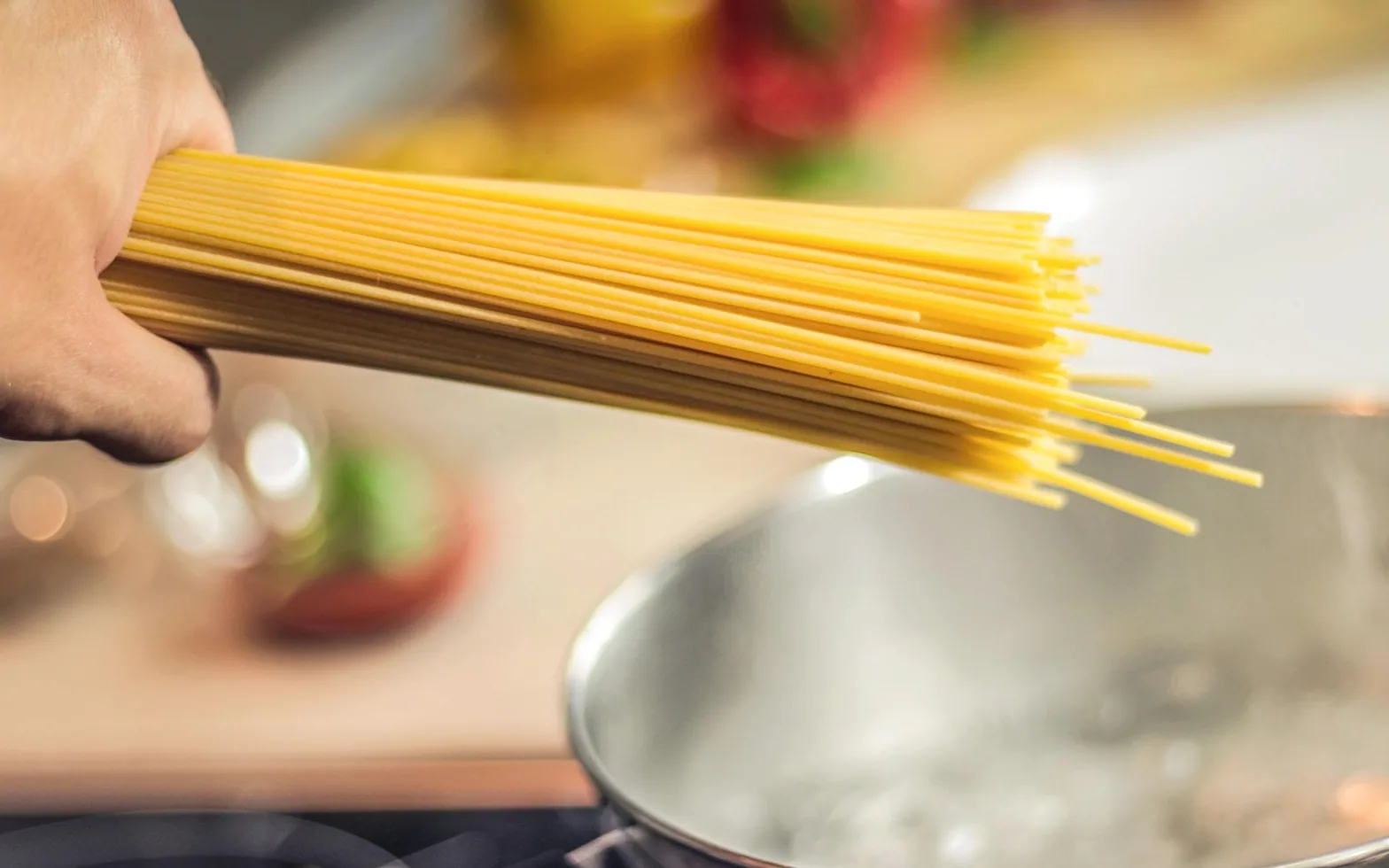
Pasta is the meal that rescues tired weeknights, feeds unexpected guests and comforts almost everyone. Because it is so familiar, it is easy to cook it on autopilot and end up with a sticky clump or a bowl of soft noodles swimming in sauce. A handful of small habits makes the difference between ordinary pasta and a plate that tastes like it came from a good trattoria.
Give the pasta room
Use your largest pot and fill it generously with cold water. Pasta releases starch as it cooks, and in a crowded pot that starch turns the water gluey and makes the strands cling together. Plenty of water keeps the temperature steady when the pasta goes in and lets each piece move freely. Bring the water to a full, rolling boil before adding anything, and stir during the first minute or two, which is when sticking usually starts.
Season the water, skip the oil
Salt the water properly once it boils. Pasta absorbs only part of that salt, so the water should taste pleasantly seasoned, a little like mild broth. Unsalted pasta tastes flat no matter how good the sauce is. If you are watching your salt intake for health reasons, season more lightly and lean on herbs, lemon zest or a little grated cheese at the end instead.
Oil in the pot is a habit worth dropping. It mostly floats on top and does little to stop sticking, but it can coat the cooked pasta so that the sauce slides off rather than clinging. Regular stirring does the job better.
Cook to al dente and taste often
Packet times are a guide, not a rule. Start tasting a couple of minutes before the suggested time. Al dente pasta is tender but still has a slight bite in the centre. If you plan to finish it in the sauce, take it out a little earlier, because it will keep cooking in the pan.
- Fresh egg pasta cooks quickly, so stay close to the pot.
- Whole-grain and legume pastas can go from firm to soft fast; taste them early.
- Rinse pasta only for cold salads, never for hot dishes.
Let the cooking water finish the dish
Before draining, scoop out a mug of the starchy cooking water. Add the drained pasta straight to the pan with the sauce, then splash in some of that water and toss over low heat. The starch helps the sauce turn glossy and coat every piece, whether it is a simple tomato sauce, garlic and olive oil, or a creamy vegetable mixture. Add more water a spoonful at a time until it looks silky rather than dry.
Serve straight away on warm plates. With good water, careful timing and a quick toss in the pan, even the simplest pasta becomes a meal worth slowing down for.
From our desk
Why we keep our promises small
It is tempting to tell readers that one recipe or one routine will change everything. We would rather give you a method that works on a damp Wednesday and leave the big claims to someone else.
When a question needs a person who can actually look at you, we will say so every time.
Ida, Casper and Maren
Good to keep in mind
How we treat information
A few principles that shape every guide before it is published.
Official food-safety and public health guidance comes before anything we read on a forum or a sales page.
When advice differs between countries or experts, we say so instead of picking a side and calling it settled.
Product instructions and the advice of your own dentist or doctor always outrank a general article, including ours.
We leave out figures we cannot stand behind, which is why our guides rarely quote percentages or nutrient amounts.