Going Vegan- How to Stay Healthy and Enjoy Delicious Food
Put up Updated Takes about 2 min
Going vegan rarely happens overnight, and it does not need to. Most people who stick with it treat the change as a gradual shift: a few plant-based dinners a week, then breakfasts, then lunches, until the old habits have quietly been replaced. Taking it slowly gives you time to learn new recipes, discover which shops stock what you need and figure out where to eat when you are out with friends.
Plan your nutrients from the start
A varied vegan diet built on vegetables, fruit, whole grains, beans, lentils, nuts and seeds can be both satisfying and nourishing. A few nutrients still deserve some attention, because they are found mostly in animal foods or are easier to miss without them:
- Vitamin B12, which usually needs to come from fortified foods or a supplement;
- Iron, found in pulses, tofu and dark leafy greens, and absorbed better alongside vitamin C;
- Calcium, from fortified plant milks, calcium-set tofu and some greens;
- Omega-3 fats, from sources such as ground flaxseed, chia and walnuts;
- Iodine and vitamin D, which depend on where you live and what you eat.
It is worth talking to your doctor or a registered dietitian when you make the switch, especially if you are pregnant, planning a pregnancy, feeding young children or managing a health condition. They can suggest whether any blood tests or supplements make sense for you.
Stock a pantry that makes cooking easy
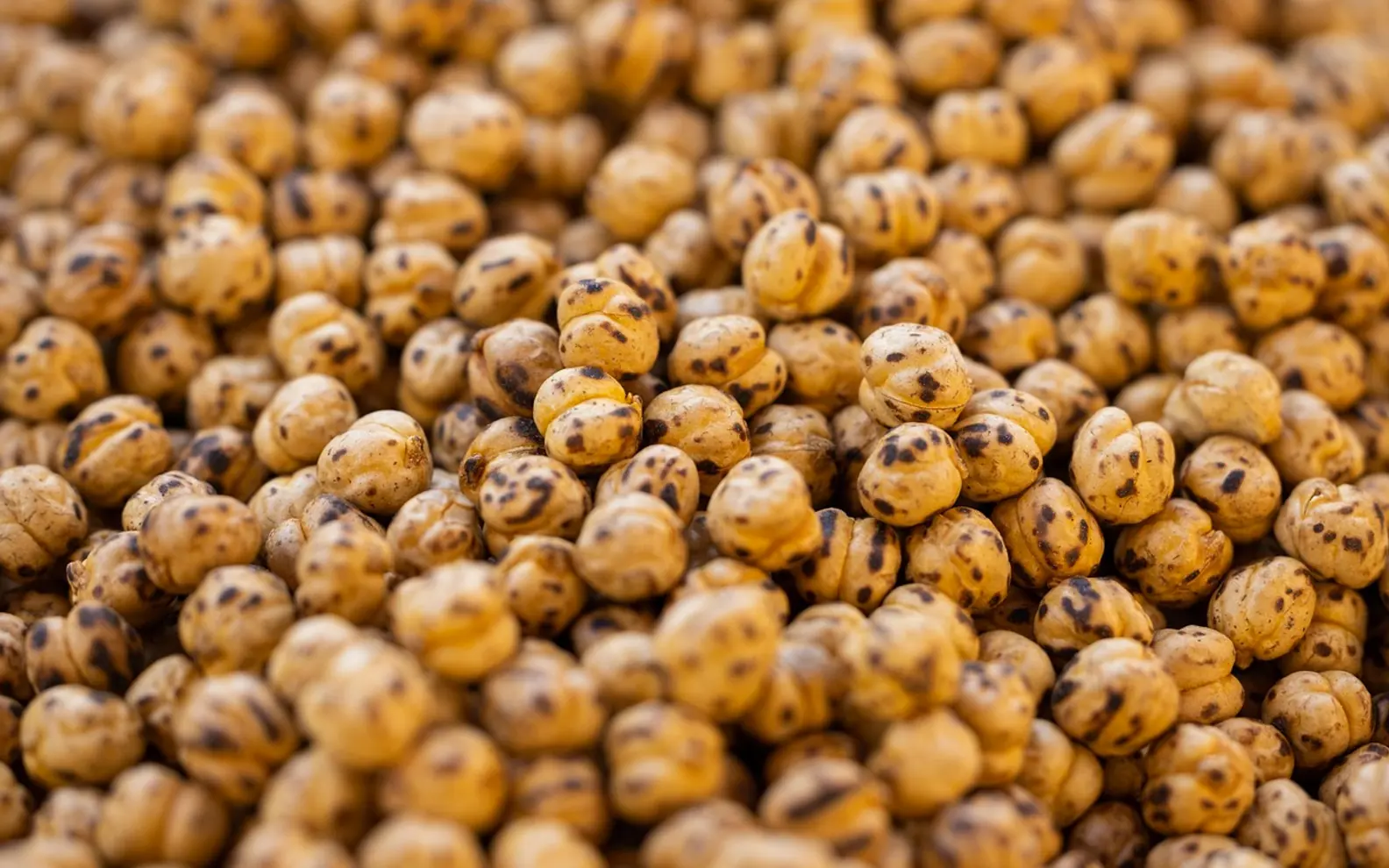
Vegan food is much more than plates of raw vegetables. With a well-stocked cupboard you can cook curries, stews, pasta bakes, stir-fries and hearty salads without a special trip to the shops. Useful staples include tinned chickpeas and beans, red lentils, oats, brown rice, wholewheat pasta, peanut or almond butter, tinned tomatoes, frozen vegetables and a bag of mixed nuts.
Build flavour with oil, spices and citrus
Three simple tools turn plain ingredients into dishes people ask for again:
- Good olive oil. A drizzle over roasted vegetables, beans or soup adds richness and helps carry other flavours.
- Spices and dried herbs. Cumin, smoked paprika, coriander, turmeric, chilli and oregano can change the character of the same lentils from one night to the next. Toast them briefly in oil to bring out their aroma.
- Lemon and lime. A squeeze of juice or a little zest at the end brightens a dish and means you may reach for the salt less often.
Adapt the dishes you already love
Rather than abandoning family favourites, rework them. Lentils or crumbled tofu can replace mince in a bolognese, chickpeas make a lovely base for a creamy curry, and mushrooms bring depth to burgers and pies. Experiment with your own additions until each recipe feels like yours. A vegan kitchen built this way is not about missing out; it is about eating well and enjoying every meal.
From our desk
Why we keep our promises small
It is tempting to tell readers that one recipe or one routine will change everything. We would rather give you a method that works on a damp Wednesday and leave the big claims to someone else.
When a question needs a person who can actually look at you, we will say so every time.
Ida, Casper and Maren
Good to keep in mind
How we treat information
A few principles that shape every guide before it is published.
Official food-safety and public health guidance comes before anything we read on a forum or a sales page.
When advice differs between countries or experts, we say so instead of picking a side and calling it settled.
Product instructions and the advice of your own dentist or doctor always outrank a general article, including ours.
We leave out figures we cannot stand behind, which is why our guides rarely quote percentages or nutrient amounts.