Enhancing Patient Experience: The Role of Digital Signage in Healthcare
Put up Takes about 2 min
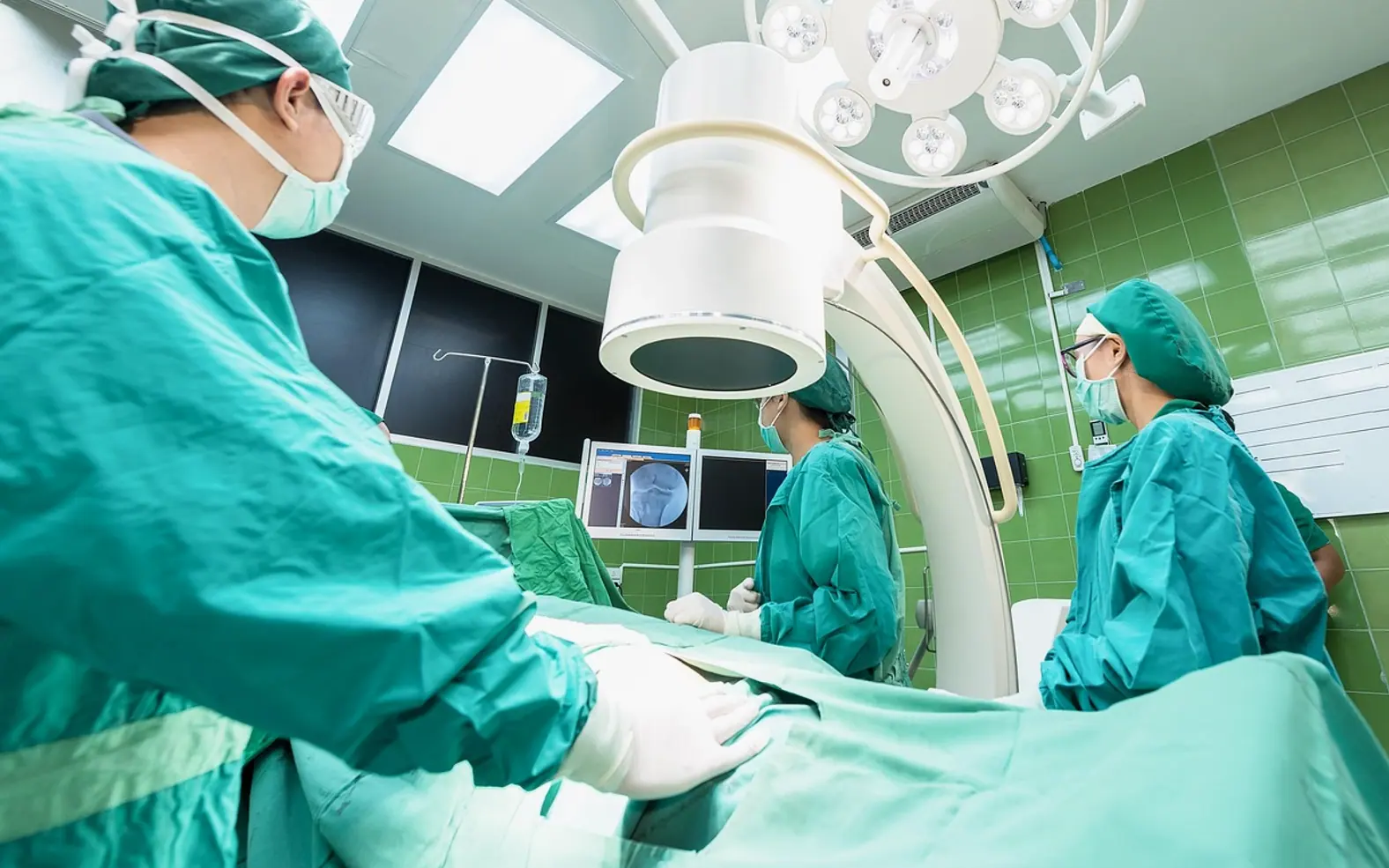
Think back to the last time you sat in a hospital corridor waiting for your name. You probably wondered how long it would take, whether you were in the right place and what would happen next. Small uncertainties like these add to the stress of a visit, and that is where well-placed screens can help. Used thoughtfully, digital signage turns a waiting area into somewhere people feel informed rather than forgotten.
Clear directions from the front door onwards
Large buildings with several wings and floors can confuse anyone, especially someone who is unwell or anxious. Screens at entrances, lift lobbies and junctions can show maps, department names and walking routes that are easy to update when a clinic moves or a corridor is closed for work. A bright, high-resolution digital screen display is far easier to read than a crowded noticeboard, and it can switch languages or show larger text at different times of the day. Fewer people stopping to ask for directions also means reception teams can focus on those who need personal help.
Waiting rooms that feel calmer
Information is one of the best antidotes to waiting-room tension. Screens can show queue numbers, general expected waiting times or simple messages such as "the clinic is running about twenty minutes late today". Between those updates, gentle content keeps people occupied:
- short, practical health tips about hydration, sleep or hand hygiene;
- information about services the patient may not know exist, such as physiotherapy or support groups;
- seasonal reminders, for example about vaccination clinics;
- calming nature footage or local photography.
Content should stay general. Screens are not a substitute for a conversation with a doctor or nurse, and good systems say so.
Keeping staff on the same page
Signage is not only for patients. In staff areas, screens can display shift changes, training sessions, infection-control reminders and important notices without anyone needing to check their inbox between appointments. In busy departments, a simple dashboard showing which rooms are free or which patients are ready to be seen can make handovers smoother. Messages can be changed centrally in minutes, so everyone sees the same, current information.
Safety messages when they matter most
Because screens are connected, they can switch instantly to urgent instructions during a fire alarm, a lockdown or severe weather. Clear evacuation routes and short instructions help visitors who do not know the building. It is worth testing these emergency templates regularly, just as you would test the alarms themselves.
Planning a system that works
Before installing hardware, map where people actually get stuck or worried in your building. Decide who will write and approve content, how often it will be refreshed and how patient privacy will be protected; names and personal details should never appear on public screens. Choose displays bright enough for sunny entrances and accessible to people with low vision, with captions on any video. Collect feedback from patients and staff after a few months and adjust. With that groundwork in place, screens become a quiet, helpful part of the care a clinic offers.
From our desk
Why we keep our promises small
It is tempting to tell readers that one recipe or one routine will change everything. We would rather give you a method that works on a damp Wednesday and leave the big claims to someone else.
When a question needs a person who can actually look at you, we will say so every time.
Ida, Casper and Maren
Good to keep in mind
How we treat information
A few principles that shape every guide before it is published.
Official food-safety and public health guidance comes before anything we read on a forum or a sales page.
When advice differs between countries or experts, we say so instead of picking a side and calling it settled.
Product instructions and the advice of your own dentist or doctor always outrank a general article, including ours.
We leave out figures we cannot stand behind, which is why our guides rarely quote percentages or nutrient amounts.