How Innovative Vape Technology Is Changing Smoking Habits for Good
Put up Updated Takes about 2 min
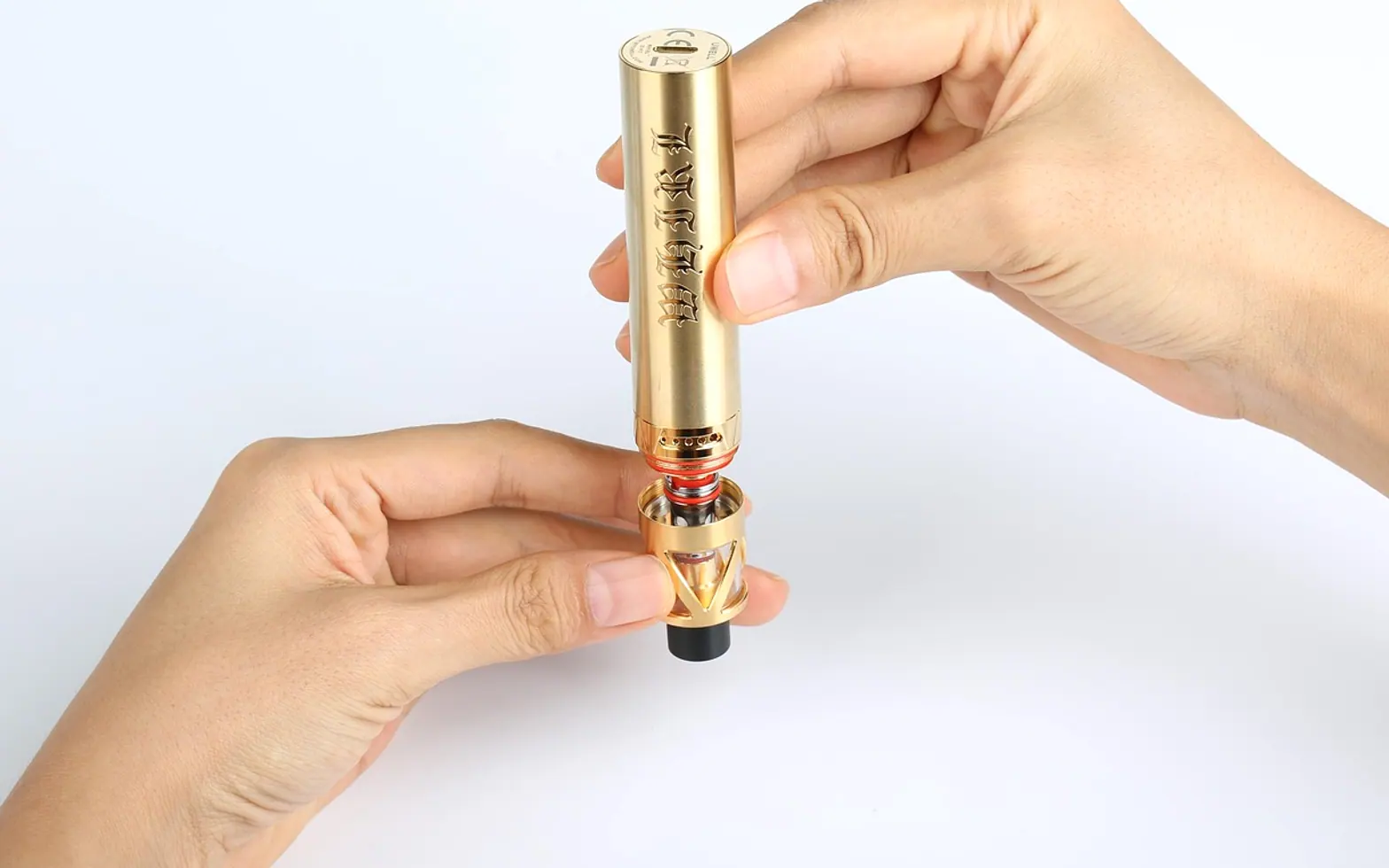
For adults who have smoked for years, a cigarette is more than nicotine. It is the pause at the end of a meeting, the walk to the station, the ritual that marks a break. Any alternative has to fit into those moments, and that is the area where vaping technology has moved quickly. The sections below trace how device design has shifted and how those changes affect adult smokers who are trying to move away from cigarettes. It is written for current adult smokers only; people who have never smoked, and anyone under age, should leave vaping alone entirely.
From fiddly kits to pick-up-and-use devices
Early vaping kits often needed separate tanks, coils, batteries and bottles of liquid, plus a fair amount of patience. Many smokers gave up before they had found a setup that worked. Today's devices are far simpler. Draw-activated designs switch on when you inhale, prefilled formats avoid refilling mess, and compact shapes slip into a pocket like a lighter. The Hayati Pro Max is one example of this pick-up-and-use approach, with a format aimed at adults who want something straightforward to carry through a working day.
Consistency that builds new routines
Smokers know exactly what to expect from each cigarette. Modern devices try to match that predictability with steadier power output, smoother airflow and more even flavour from the first puff to the last. That consistency matters, because frustration with an unreliable device is one of the reasons people drift back to cigarettes. A device that behaves the same way every time makes it easier to replace old habits with new ones.
More control over nicotine
Another development is choice. Liquids and prefilled devices come in a range of nicotine strengths, and different nicotine formats feel different in the throat. Some adults use that range to step down gradually over time, while others simply look for a level that stops them reaching for a cigarette. It is worth being honest with yourself about your goal and checking in on it every few weeks.
- Start with a strength suited to how much you currently smoke, and adjust slowly.
- Store every device and e-liquid somewhere little hands and curious animals cannot get to.
- Buy from retailers who verify age and sell compliant products.
What vaping is and is not
Vaping is not risk-free. It still delivers nicotine, which is addictive, and long-term effects are still being studied. Its value, where it has any, lies in helping adult smokers stop smoking tobacco; it makes no sense for anyone who does not smoke. Using both cigarettes and a vape together for a long period also misses the point, so many people set a date for putting cigarettes down completely.
If you smoke and want to quit, your doctor, pharmacist or a local stop-smoking service can talk you through all the options, including nicotine patches, gum, prescribed medicines and counselling, and help you choose a plan that fits your health and circumstances. Follow the rules on where vaping is allowed, be considerate in shared spaces, and treat any device as a tool on the way to being smoke-free.
From our desk
Why we keep our promises small
It is tempting to tell readers that one recipe or one routine will change everything. We would rather give you a method that works on a damp Wednesday and leave the big claims to someone else.
When a question needs a person who can actually look at you, we will say so every time.
Ida, Casper and Maren
Good to keep in mind
How we treat information
A few principles that shape every guide before it is published.
Official food-safety and public health guidance comes before anything we read on a forum or a sales page.
When advice differs between countries or experts, we say so instead of picking a side and calling it settled.
Product instructions and the advice of your own dentist or doctor always outrank a general article, including ours.
We leave out figures we cannot stand behind, which is why our guides rarely quote percentages or nutrient amounts.