Games for Seniors: Card Games, Board Games and Puzzles Worth Setting Up
Put up Takes about 4 min
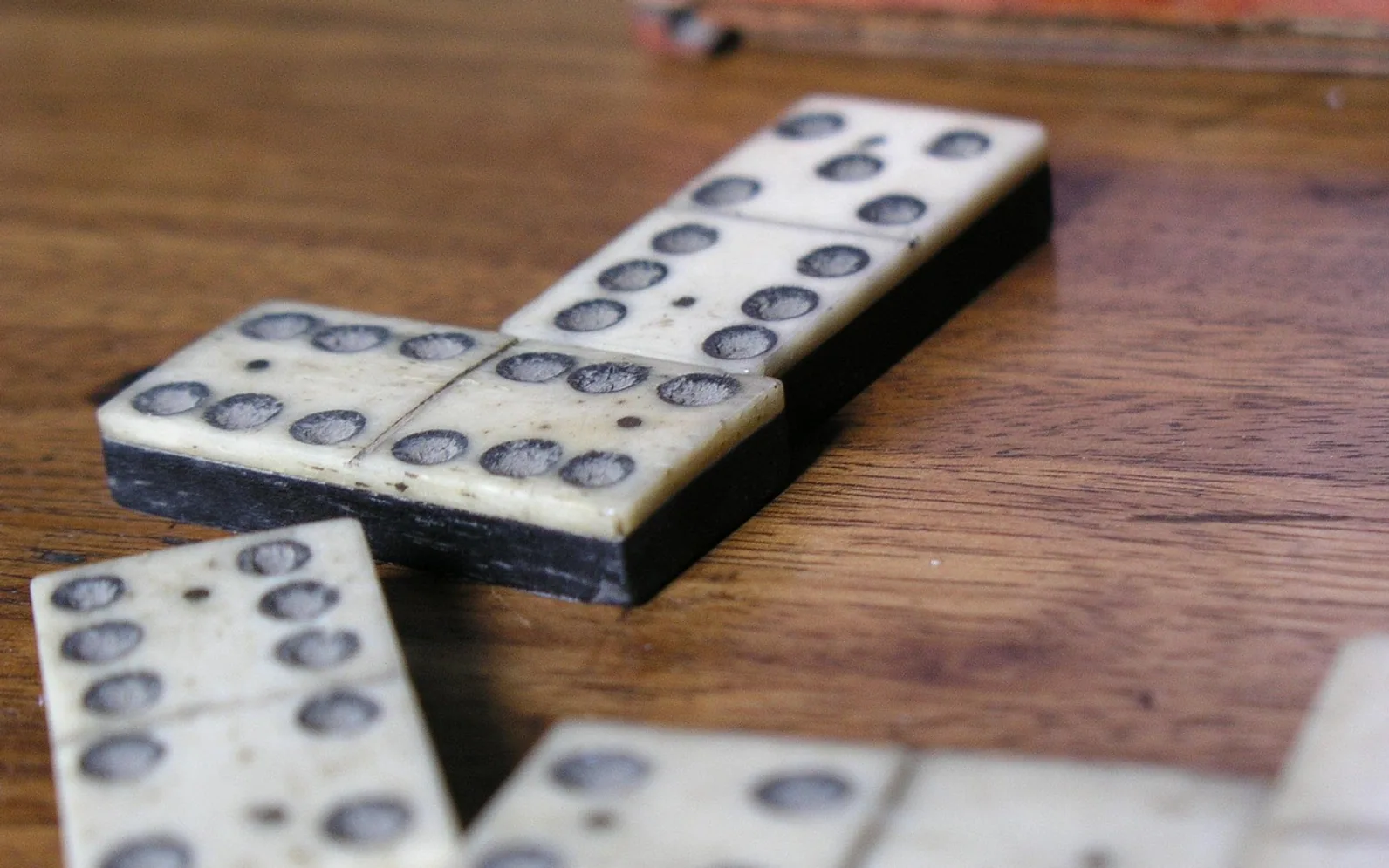
The best games for older adults are usually the ones they already know. Rummy, dominoes, draughts, a crossword or a jigsaw need no new rules, bring people to the same table and fill a grey afternoon with conversation as much as play. Add a few simple adjustments for eyesight, hands and energy, and almost any classic can work for someone in their seventies, eighties or beyond.
This guide groups ideas by type and finishes with practical tips for families and carers setting up games at home or during visits.
Card games
A pack of cards fits in a handbag, costs little and covers dozens of games.
- Rummy and gin rummy: forming sets and runs keeps hands interesting without heavy strategy.
- Cribbage: a favourite for two players, with a pegboard that makes scoring visible.
- Canasta and bridge: good for people who already play and enjoy a regular foursome.
- Patience (solitaire): a calm option for time alone, with real cards or on a tablet.
- Snap, go fish and crazy eights: simple enough to share with visiting grandchildren.
Board and tile games
- Dominoes: chunky tiles, easy to grip and to read, with plenty of variations.
- Draughts (checkers) and chess: familiar to many, with a large-piece set making a real difference.
- Backgammon: mixes luck and planning, which keeps games close between players of different strengths.
- Mahjong: a social, tactile game with a strong following in many communities.
- Word-building tile games: a natural fit for anyone who loves crosswords.
- Dice games: rolling for combinations is quick to learn and works well in small groups.
Puzzles for seniors
Puzzles suit people who enjoy quiet concentration or prefer to play at their own pace.
- Jigsaws: choose larger pieces and fewer of them if eyesight or dexterity is an issue. A picture of a familiar place or era often sparks memories and stories.
- Crosswords and word searches: large-print books are widely available.
- Number puzzles: sudoku and similar puzzles for those who prefer numbers to words.
- Shared puzzles: a jigsaw left out on a side table invites visitors to add a piece or two.
Gentle active games
Some games add a little movement to the afternoon. Beanbag toss into a basket, a soft-ball version of bowling down a hallway, balloon volleyball while seated, or a slow game of indoor skittles all get arms moving and usually bring plenty of laughter. Keep the floor clear of trip hazards, use soft equipment and let everyone play seated if they prefer.
Group and social games
Bingo, quiz afternoons, charades and "name that tune" work well for larger family gatherings or a group of friends. Themed quizzes on decades, old film stars or local history give everyone something to contribute.
Choosing a game: a quick guide
| Game | Players | Good when | Helpful adaptation |
|---|---|---|---|
| Rummy | 2–6 | A relaxed social game is wanted | Large-print cards, a card holder |
| Dominoes | 2–4 | Hands find small pieces fiddly | Jumbo tiles with clear dots |
| Jigsaw | 1 or more | Quiet time or drop-in company | Fewer, larger pieces; a board to move it |
| Crossword | 1–2 | Someone loves words and routine | Large print, a good lamp |
| Beanbag toss | 2 or more | Gentle movement is welcome | Play seated, move the target closer |
| Quiz | Group | Family gatherings | Questions about earlier decades |
Small changes that make games easier
- Light: play near a window or under a bright lamp; glare-free light helps more than bigger print alone.
- Grip: a simple card holder, or a shoebox lid with a slot, saves stiff or painful hands from holding a fan of cards.
- Contrast: dark pieces on a light board, or a plain tablecloth under a jigsaw, make things easier to see.
- Pace: shorter games, with breaks for tea, are better than one long session that ends in tiredness.
- Rules: relax them freely. Keeping score is optional.
Playing with someone who has memory loss
Familiar, simple games with no time pressure tend to work best. Sorting cards by colour or suit, matching pairs, or turning over photographs of family members can be more enjoyable than a game with complex rules. Follow the person's lead, avoid correcting them, and stop while it is still fun. Games are a source of pleasure and company, not a treatment. If you notice changes in memory or mood, speak to a doctor.
Making games part of the week
A regular slot, such as a Thursday afternoon card game or a puzzle on Sunday, gives everyone something to look forward to. If a relative receives care at home, ask carers whether a favourite game can be part of their visits; this is one of the things worth raising when choosing home care for the elderly. Games also pair naturally with food: a shared meal from these potluck ideas followed by a round of dominoes makes a gentle family afternoon. And when the clocks go back and evenings draw in early, our notes on how to adjust to the time change suggest ways to keep the darker weeks feeling lively.
From our desk
Why we keep our promises small
It is tempting to tell readers that one recipe or one routine will change everything. We would rather give you a method that works on a damp Wednesday and leave the big claims to someone else.
When a question needs a person who can actually look at you, we will say so every time.
Ida, Casper and Maren
Good to keep in mind
How we treat information
A few principles that shape every guide before it is published.
Official food-safety and public health guidance comes before anything we read on a forum or a sales page.
When advice differs between countries or experts, we say so instead of picking a side and calling it settled.
Product instructions and the advice of your own dentist or doctor always outrank a general article, including ours.
We leave out figures we cannot stand behind, which is why our guides rarely quote percentages or nutrient amounts.