How to Roast Pumpkin Seeds From Your Carving Pumpkin
Put up Takes about 4 min
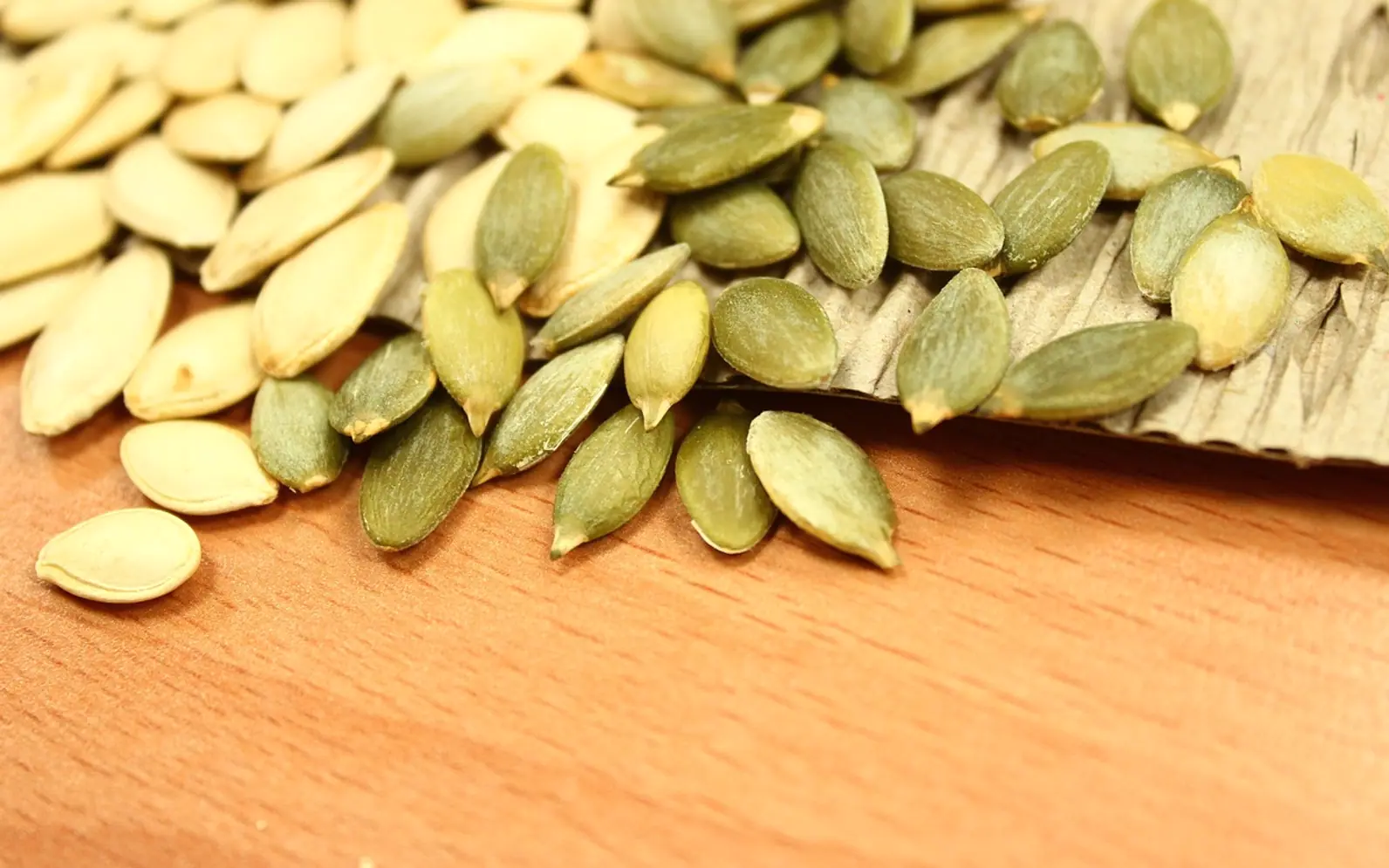
Rinse the seeds, dry them really well, toss them with a little oil and salt, and roast them in a single layer at around 325°F (165°C), stirring every ten minutes, until they are golden and crisp. Most trays need somewhere between twenty and thirty-five minutes depending on the size of the seeds. That is the whole method; the rest is about getting the details right so they crunch instead of chew.
Turn carving night into a two-part event
Scooping out a pumpkin is the messy, slightly gruesome bit that children tend to love. Put a big bowl in the middle of the table for the insides and let everyone pull seeds out of the stringy pulp while the lanterns take shape. By the time the candles go in, a tray of seeds can be in the oven, and the evening ends with a warm snack instead of a sink full of goo.
Step by step
- Separate the seeds. Drop the scooped insides into a large bowl of cold water and swish them around. The seeds float up and most of the strings stay behind, so you can lift the seeds out with your hands or a slotted spoon.
- Rinse. Tip them into a colander and pick out any remaining stringy bits. A little pulp left on is fine and even adds flavour.
- Optional: boil in salted water. Simmering the seeds in well-salted water for about ten minutes seasons them right through and gives a crisper result. Drain well afterwards.
- Dry thoroughly. Spread the seeds on a clean tea towel and pat them dry. Damp seeds steam instead of roast. If you have time, leave them to air-dry for an hour or two.
- Oil and season. Toss with just enough oil or melted butter to coat, plus a pinch of salt. Start light; you can always add more seasoning at the end.
- Spread them out. Use a large baking tray, lined with baking paper if you like, and keep the seeds in a single layer. Crowded seeds roast unevenly.
- Roast and stir. Bake at around 325°F (165°C), stirring every ten minutes. They are ready when golden, fragrant and dry to the touch. Listen for a light popping, which is a good sign.
- Cool on the tray. Seeds crisp up further as they cool, so taste one after a few minutes before deciding whether they need longer.
Seeds from different pumpkins
Large carving pumpkins give big, flat seeds with a thick hull that take a little longer. Smaller cooking pumpkins and squashes such as butternut give smaller seeds that roast faster, so check them early. The green pepitas sold in shops come from varieties that grow seeds without the white hull, which is why they look so different from the ones you scoop out yourself.
Six seasoning blends
| Blend | What to add | When to add it |
|---|---|---|
| Classic salted | Fine salt, a little black pepper | Before roasting |
| Smoky | Smoked paprika, garlic powder, salt | Before roasting |
| Cinnamon sugar | Cinnamon, a little sugar, a pinch of salt | Toss with melted butter for the last ten minutes |
| Chilli and lime | Chilli powder, salt | Chilli before; lime zest after roasting |
| Curry spiced | Mild curry powder, cumin, salt | Before roasting |
| Parmesan and herb | Finely grated parmesan, dried oregano | Cheese in the last five minutes so it does not burn |
Sugar and cheese both scorch easily, which is why they go on towards the end.
Common mistakes
- Roasting wet seeds. The single most common reason for chewy results.
- Too high a heat. A hot oven browns the outside before the inside dries out.
- Piling them up. Two trays are better than one crowded one.
- Skipping the stir. Edges of the tray brown first; moving the seeds around evens things out.
Storing roasted seeds
Let them cool completely, then keep them in an airtight jar at room temperature. They are at their crunchiest in the first several days. If they soften, a few minutes back in a low oven brings them round.
Questions people ask
Can you eat the shell?
Yes, the white hull of a roasted carving-pumpkin seed is edible and gives the snack its crunch. Some people prefer to crack the seed and eat only the inside. Whole seeds can be a choking hazard for small children, so judge what suits the youngest people at the table.
Why do they get stuck in my teeth?
Pieces of hull love the gaps between teeth. A quick, gentle clean with floss afterwards sorts it out.
Using the rest of the pumpkin
A carving pumpkin's flesh tends to be watery and mild, but smaller cooking pumpkins are lovely roasted and blended into a pot of soup; the tips in tasty soup do's and don'ts apply. The seeds themselves are good scattered over a grain bowl or salad, or packed in a small tub as part of the packed lunch ideas for work. And if friends are coming over for a seasonal get-together, a bowl of them makes an easy contribution to the table alongside these potluck ideas.
From our desk
Why we keep our promises small
It is tempting to tell readers that one recipe or one routine will change everything. We would rather give you a method that works on a damp Wednesday and leave the big claims to someone else.
When a question needs a person who can actually look at you, we will say so every time.
Ida, Casper and Maren
Good to keep in mind
How we treat information
A few principles that shape every guide before it is published.
Official food-safety and public health guidance comes before anything we read on a forum or a sales page.
When advice differs between countries or experts, we say so instead of picking a side and calling it settled.
Product instructions and the advice of your own dentist or doctor always outrank a general article, including ours.
We leave out figures we cannot stand behind, which is why our guides rarely quote percentages or nutrient amounts.