How Serine Protease Antibodies Support Breakthrough Scientific Discoveries
Put up Takes about 2 min
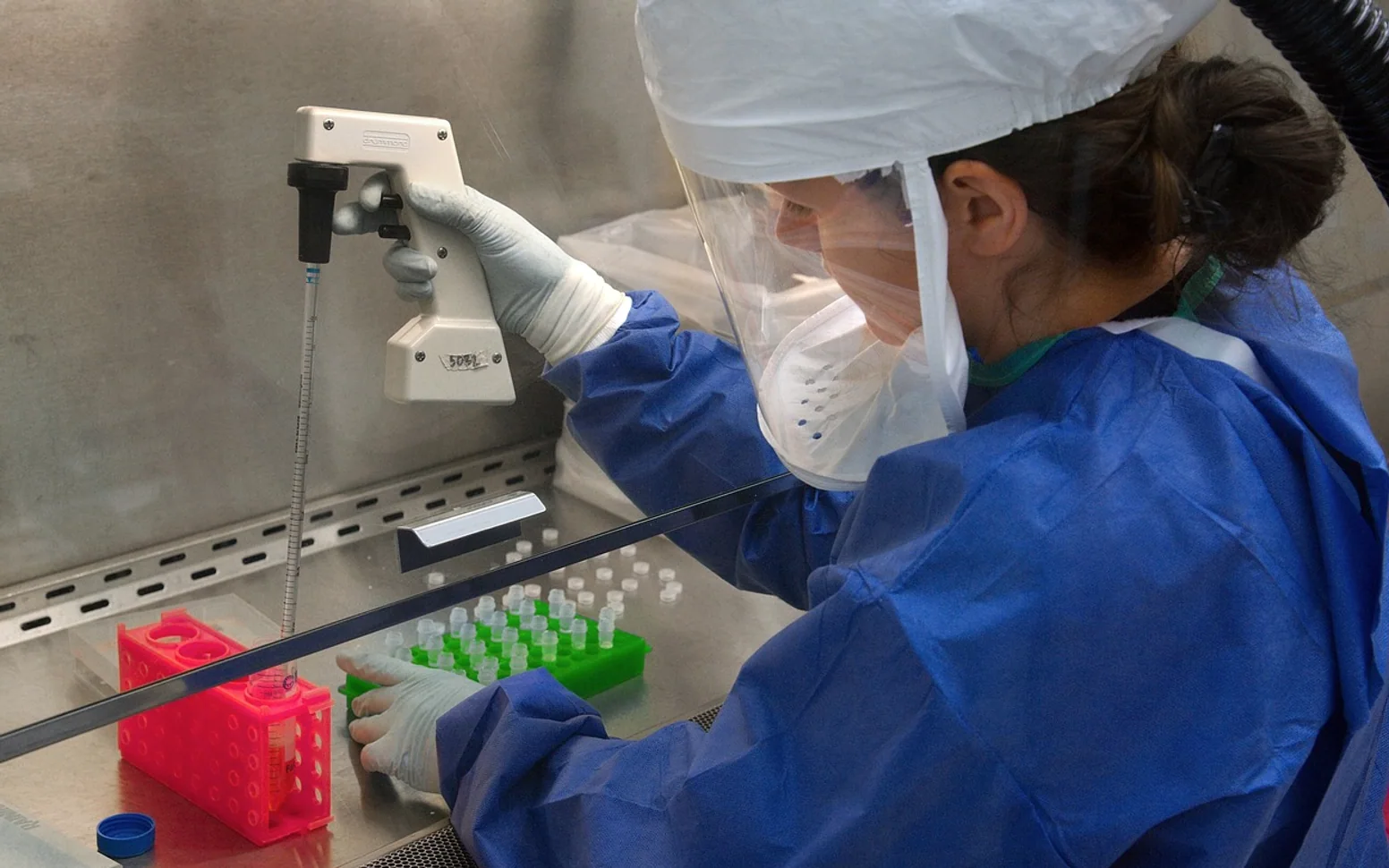
Every time a small cut stops bleeding, a family of enzymes called serine proteases has been at work. These proteins act like molecular scissors, snipping other proteins at precise points to switch processes on or off. They help blood to clot, food to be digested and the immune system to respond to threats. Because they are so involved in everyday biology, they also turn up whenever something goes wrong, which is why researchers spend so much effort studying them.
What makes these enzymes special
The family takes its name from one amino acid, serine, which sits in the pocket where each cut is made. Familiar members include trypsin in the gut and thrombin in the clotting cascade. In a healthy body their activity is kept in check: many are made in an inactive form and only switched on when needed, and natural inhibitors stand ready to shut them down again. When that balance tips, the consequences can range from excessive bleeding or clotting to inflammation that damages tissue. Scientists studying cancer, immune disorders, infections and brain diseases all keep an eye on this enzyme family for that reason.
Why antibodies are the tool of choice
To study a protein, you first need a reliable way to find it. Antibodies are proteins that recognise and bind one specific target, and researchers use them as highly selective probes. Well-characterised serine protease antibodies let laboratories pick out a single enzyme among many close relatives, which is valuable because members of this family often look structurally alike. Some antibodies can even tell the inactive precursor form apart from the active enzyme, giving a clearer picture of what is actually happening in a sample.
Common laboratory methods
The same antibody can serve several techniques, each answering a slightly different question:
| Method | What it shows |
|---|---|
| Western blotting | Whether a protein is present in a sample and roughly how large it is |
| ELISA | How much of a protein is in blood, fluid or cell samples |
| Immunohistochemistry | Where in a tissue section the enzyme sits |
| Immunofluorescence | Its location inside individual cells, often alongside other markers |
| Flow cytometry | Which cell types carry the protein on their surface |
From the bench to better understanding
Findings built on these tools feed into many areas: understanding how tumours spread, how clotting disorders arise, how infections take hold and how inflammation is controlled. Some results eventually inform the search for diagnostic markers or new treatments, although that path is long and involves many stages of testing. Good results depend on careful validation, so laboratories check that an antibody binds only its intended target, use proper controls and repeat experiments before drawing conclusions.
For readers outside the lab, the takeaway is simple. Much of modern medical knowledge rests on patient, detailed work with tools like these. If you have questions about a clotting or immune condition that affects you, your doctor is the right person to explain what current research means for your own care.
From our desk
Why we keep our promises small
It is tempting to tell readers that one recipe or one routine will change everything. We would rather give you a method that works on a damp Wednesday and leave the big claims to someone else.
When a question needs a person who can actually look at you, we will say so every time.
Ida, Casper and Maren
Good to keep in mind
How we treat information
A few principles that shape every guide before it is published.
Official food-safety and public health guidance comes before anything we read on a forum or a sales page.
When advice differs between countries or experts, we say so instead of picking a side and calling it settled.
Product instructions and the advice of your own dentist or doctor always outrank a general article, including ours.
We leave out figures we cannot stand behind, which is why our guides rarely quote percentages or nutrient amounts.