How to Freeze Soup So It Tastes Right When Reheated
Put up Takes about 5 min
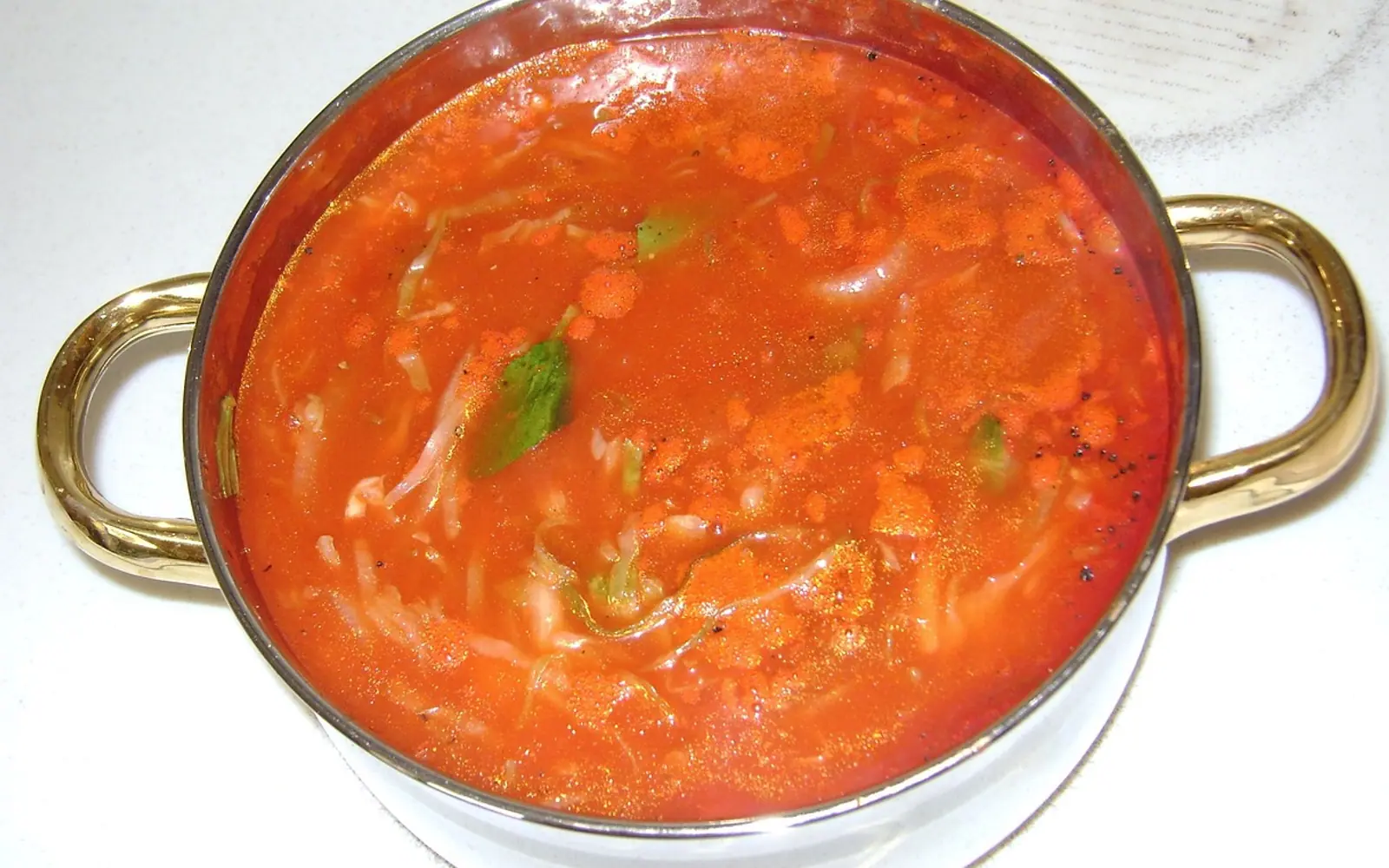
The pot is twice the size you needed, the evening is nearly over, and a ladle of soup is sitting in the pan going cold. Freezing the rest is the obvious move, yet plenty of frozen soup comes back watery, grainy or with noodles that have turned to mush. Most of those problems start before the soup ever reaches the freezer, and they are easy to avoid once you know where they come from.
Which soups freeze well, and which do not
Soups with a stock or tomato base and plenty of vegetables, beans or lentils are the safest bets. Smooth blended soups usually freeze well too. Trouble comes from a few ingredients that change texture when frozen.
| Freezes well | Freezes with care | Best added after thawing |
|---|---|---|
| Broths and stocks | Potato soups (can turn a little grainy; blending helps) | Pasta and noodles |
| Lentil, split pea and bean soups | Soups thickened with flour (may need a whisk on reheating) | Rice |
| Blended vegetable soups such as squash, carrot or tomato | Soups with chunks of courgette or other watery vegetables | Cream, milk or yoghurt |
| Minestrone without the pasta | Chowders | Fresh herbs and leafy greens |
| Chilli and meat-based stews | Coconut milk soups (may separate; stir well) | Crunchy toppings, croutons, cheese |
The simplest habit is to freeze the base and finish it later. Ladle out the portion you plan to freeze before the pasta, cream or greens go in, then add them fresh on the day you reheat. Starches keep soaking up liquid in the freezer, and dairy tends to split when thawed. The same thinking runs through our list of soup do's and don'ts, which covers seasoning and texture in the pot itself.
Step by step
- Cool it quickly. Do not leave a big pot on the hob overnight. Divide it into smaller, shallow containers or stand the pan in a sink of cold water and stir now and then. Food safety guidance generally advises getting cooked food into the fridge within about two hours.
- Chill before freezing if you can. Soup that goes into the freezer already cold freezes faster and does not warm up the food around it.
- Portion it. Think about how you will eat it: single bowls for lunches, larger tubs for a family meal. Smaller portions also thaw faster.
- Leave headspace. Liquids expand as they freeze. Leave a gap of a couple of centimetres (about an inch) at the top of rigid containers so lids do not pop and glass does not crack.
- Label everything. Write the name and the date. Frozen soups look surprisingly alike, and an unlabelled tub of something orange could be squash, carrot or lentil.
- Freeze flat, then stack. Bags laid flat on a tray freeze into thin slabs that stand upright like files once solid, saving space.
Choosing containers
- Freezer bags take up the least room. Squeeze out the air, seal, and lay them flat. Standing an open bag in a jug makes filling it far less messy.
- Rigid plastic tubs are sturdy and reusable. Tomato soups can stain lighter plastic, which is harmless.
- Glass jars and containers work if they are labelled as freezer-safe. Leave plenty of headspace, and avoid narrow-shouldered jars, which are more likely to crack.
- Silicone portion trays or muffin tins are handy for stock and baby portions. Freeze, pop out the blocks and store them in a bag. Our guide to making bone broth at home uses the same trick for small amounts of stock.
How long frozen soup keeps
Food kept frozen solid at 0°F (−18°C) stays safe for a long time, but quality slowly drops. Most soups taste best within about two to three months, and broths can often go a little longer. Beyond that, flavours fade and ice crystals start to change the texture. A first-in, first-out habit, with older tubs moved to the front, keeps things from lingering at the back for a year.
Leftover soup made from a holiday meal follows the same idea. If you turned the remains of a roast into a pot of soup, freeze it within the same three-to-four-day fridge window covered in our guide to how long Thanksgiving leftovers keep, not afterwards.
Thawing and reheating
- Overnight in the fridge is the gentlest way to thaw. Stand the container on a plate in case of drips.
- From frozen in a pan works for most soups. Run the outside of the container under warm water to loosen the block, then heat it slowly with a lid on and a splash of water, stirring as it melts.
- In the microwave, use a defrost setting, stir often and eat it straight away.
Bring soup back until it is steaming hot all the way through. Then finish it: add the pasta, rice, cream or greens you held back, taste, and adjust the seasoning. Freezing can soften flavours, so a pinch of salt, a squeeze of lemon or a little black pepper often brings it back to life. A soup that has separated can usually be rescued with a whisk or a quick blitz with a stick blender.
A freezer of soup for someone else
A stack of labelled single portions is one of the most practical things to leave for a friend after an operation, new parents, or an older relative who finds standing at the cooker tiring. Write reheating instructions on the label, choose containers that are easy to open, and keep portions small. For families arranging more regular support at home, our checklist on choosing home care for an older relative covers help with meals alongside other everyday tasks.
Quick answers
Can you freeze soup with cream in it?
You can, but it may look grainy or split once thawed. Whisking or blending as it reheats usually brings it back together. Where possible, freeze the soup without the cream and stir it in at the end.
Can you refreeze soup?
Soup thawed in the fridge can generally be refrozen, though the texture suffers each time. Soup thawed in the microwave or reheated should be eaten, not frozen again. Freezing in smaller portions avoids the question altogether.
Is it safe to put warm soup in the freezer?
Small portions of warm soup are fine, but a large hot pot raises the temperature of everything around it. Cool it first, in shallow containers, and then freeze.
From our desk
Why we keep our promises small
It is tempting to tell readers that one recipe or one routine will change everything. We would rather give you a method that works on a damp Wednesday and leave the big claims to someone else.
When a question needs a person who can actually look at you, we will say so every time.
Ida, Casper and Maren
Good to keep in mind
How we treat information
A few principles that shape every guide before it is published.
Official food-safety and public health guidance comes before anything we read on a forum or a sales page.
When advice differs between countries or experts, we say so instead of picking a side and calling it settled.
Product instructions and the advice of your own dentist or doctor always outrank a general article, including ours.
We leave out figures we cannot stand behind, which is why our guides rarely quote percentages or nutrient amounts.