Korean Desserts to Try in Seoul, Season by Season
Put up Takes about 4 min
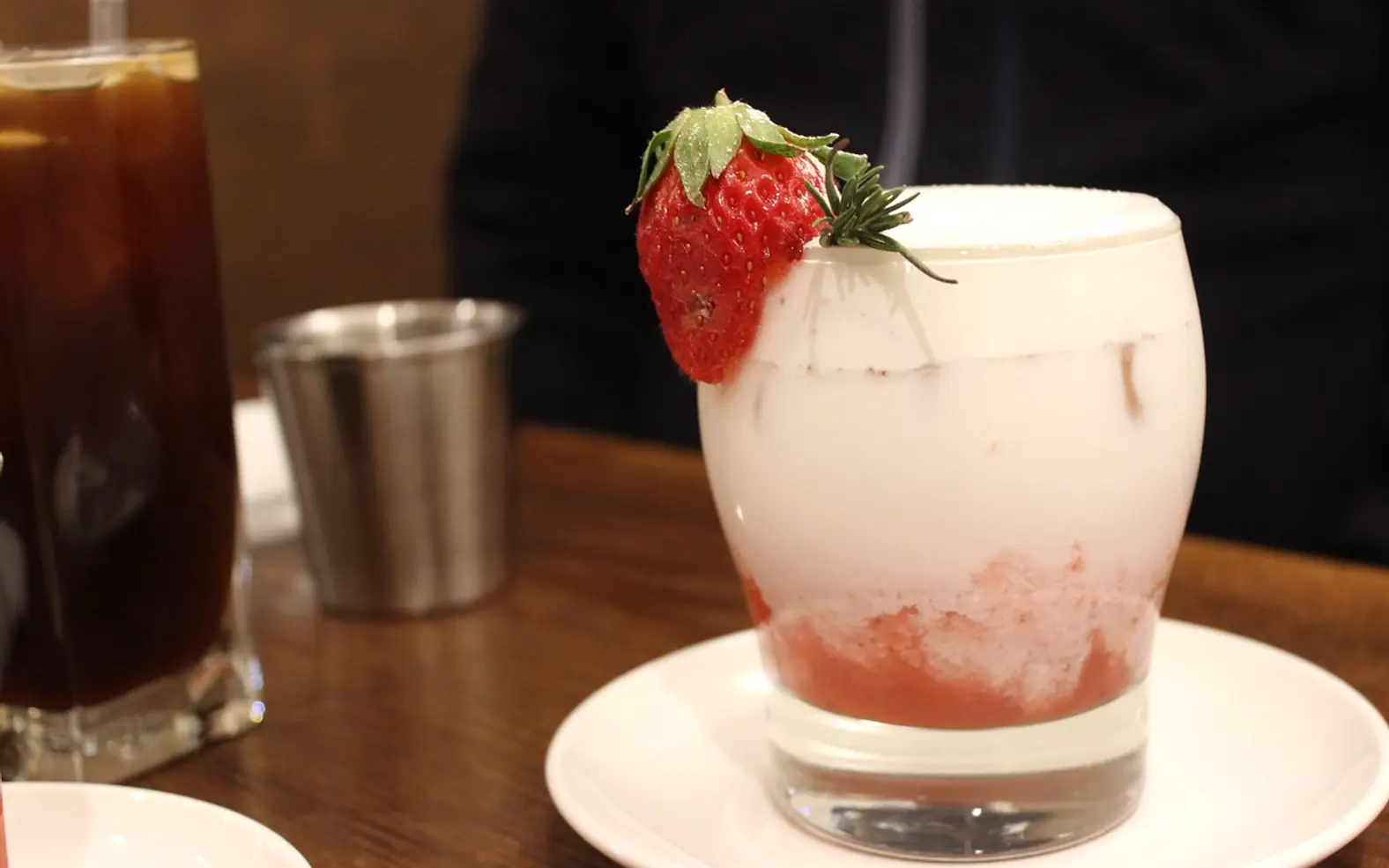
The Korean desserts most worth seeking out in Seoul are bingsu (fluffy shaved ice with toppings), hotteok (griddled pancakes with a molten sugar filling), bungeoppang (fish-shaped pastries stuffed with sweet red bean), tteok (soft rice cakes in dozens of shapes) and yakgwa (flower-shaped honey cookies). Each has its season, its own way of being eaten, and most of them are meant to be shared rather than finished alone.
Korean sweets tend to lean on grains, beans, nuts, fruit and honey rather than heavy cream and butter, so the flavours can feel gentler than Western desserts. That said, plenty of them are still rich in sugar, and a little goes a long way.
Bingsu: the summer bowl for the whole table
Bingsu starts with ice or frozen milk shaved so finely it falls like snow. The classic version, patbingsu, is crowned with sweetened red beans, small rice cakes and a dusting of roasted soybean powder. Modern cafés pile on mango, strawberries, injeolmi, matcha, cheesecake cubes or even coffee granita.
Bowls are usually large, and one is normally ordered for two or three people, each with a long spoon. The polite way is to work from your side of the bowl, mixing toppings into the ice as you go. It is a hot-weather treat above all, though many cafés keep it on the menu through the cooler months too.
Hotteok and bungeoppang: winter street snacks
When the air turns cold, street carts start selling two warm favourites.
Hotteok
A yeasted dough is wrapped around brown sugar, cinnamon and chopped nuts or seeds, then pressed flat on an oiled griddle until crisp outside and gooey within. It is handed over folded in a paper cup. Wait a moment before biting: the filling turns into hot syrup and can easily burn your mouth.
Bungeoppang
Batter goes into a fish-shaped iron mould, a spoonful of sweet red bean paste is added, and more batter seals it. Out comes a crisp, golden fish with a soft heart. Some stalls offer custard or other fillings. People happily argue over whether to eat the head or the tail first, which is half the fun of buying a bag to share on a cold walk.
Tteok and yakgwa: the year-round traditional sweets
Rice cakes and honey cookies belong to holidays, gifts and everyday snacking alike.
- Tteok is made from steamed or pounded rice flour. Injeolmi is rolled in toasted soybean powder; songpyeon, half-moon cakes filled with sesame, beans or chestnut, are made for the autumn harvest holiday; colourful layered cakes appear at birthdays and celebrations. Textures range from springy to very chewy, so take small bites.
- Yakgwa are flower-shaped cookies of wheat flour, sesame oil and honey, fried and then soaked in a ginger-scented syrup. Dense, sticky and fragrant, they are traditional at festivals and ancestral rites and are often given in gift boxes.
Traditional dessert shops pair both with tea, such as barley, citron or ginger, which balances the sweetness.
A quick seasonal guide
| Dessert | Main season | How it is usually eaten |
|---|---|---|
| Bingsu | Summer, though often sold all year | One big bowl, several spoons, at a café table |
| Hotteok | Late autumn and winter | Hot from a street cart, folded in a paper cup |
| Bungeoppang | Winter | By the bag, shared while walking |
| Tteok | All year; songpyeon in autumn | With tea, at holidays, as a gift |
| Yakgwa | All year, especially festivals | One or two pieces with a cup of tea |
Bakery cafés in Gangnam and Seongsu
Seoul's café culture is a dessert destination of its own. In Gangnam, polished multi-storey bakery cafés serve layered cakes, cream-filled buns, croffles and seasonal fruit tarts in sleek dining rooms. Seongsu, on the other side of the river, has turned old workshops and warehouses into airy cafés where traditional ingredients such as black sesame, mugwort, sweet potato and red bean show up in Western-style pastries.
A relaxed way to spend an afternoon is to pick one area, try a pastry and a traditional sweet side by side, and compare. Many Seoul friend groups then carry the evening on with dinner and a session at a noraebang, a private karaoke room where everyone takes turns at the microphone; visitors curious about how that works in Gangnam will find Korean-language guides such as 강남가라오케 that explain room bookings for groups. If drinks are part of the night, order water between rounds and take public transport home.
Is it rude to eat a shared dessert alone?
Not rude, simply unusual. Bingsu bowls and bags of street snacks are sized for sharing, so ordering one for the table and dividing it is the normal approach. It also keeps portions sensible.
Can I make these at home?
Some are easy. Bingsu needs frozen milk, a sharp grater or a shaved-ice machine and your favourite fruit. Hotteok uses a simple yeasted dough. If you like no-cook desserts built around seeds and fruit, our guide on making chia pudding works well with toppings like red bean or toasted soybean powder.
Sweet, but in moderation
Many of these treats contain a fair amount of sugar, syrup or fried dough. Enjoy them as the occasional pleasure they are meant to be, share where you can, and balance a dessert-heavy day with simple meals. Our article on healthy eating patterns for life covers how treats fit into an overall balanced diet. If you manage diabetes or follow a medical diet, it is worth asking your doctor or dietitian how to plan for sweets while travelling.
Taken slowly and shared with good company, a dessert crawl through Seoul is one of the most enjoyable ways to taste the city through the year.
From our desk
Why we keep our promises small
It is tempting to tell readers that one recipe or one routine will change everything. We would rather give you a method that works on a damp Wednesday and leave the big claims to someone else.
When a question needs a person who can actually look at you, we will say so every time.
Ida, Casper and Maren
Good to keep in mind
How we treat information
A few principles that shape every guide before it is published.
Official food-safety and public health guidance comes before anything we read on a forum or a sales page.
When advice differs between countries or experts, we say so instead of picking a side and calling it settled.
Product instructions and the advice of your own dentist or doctor always outrank a general article, including ours.
We leave out figures we cannot stand behind, which is why our guides rarely quote percentages or nutrient amounts.