Medical Spas and the First Visit
Put up Updated Takes about 2 min
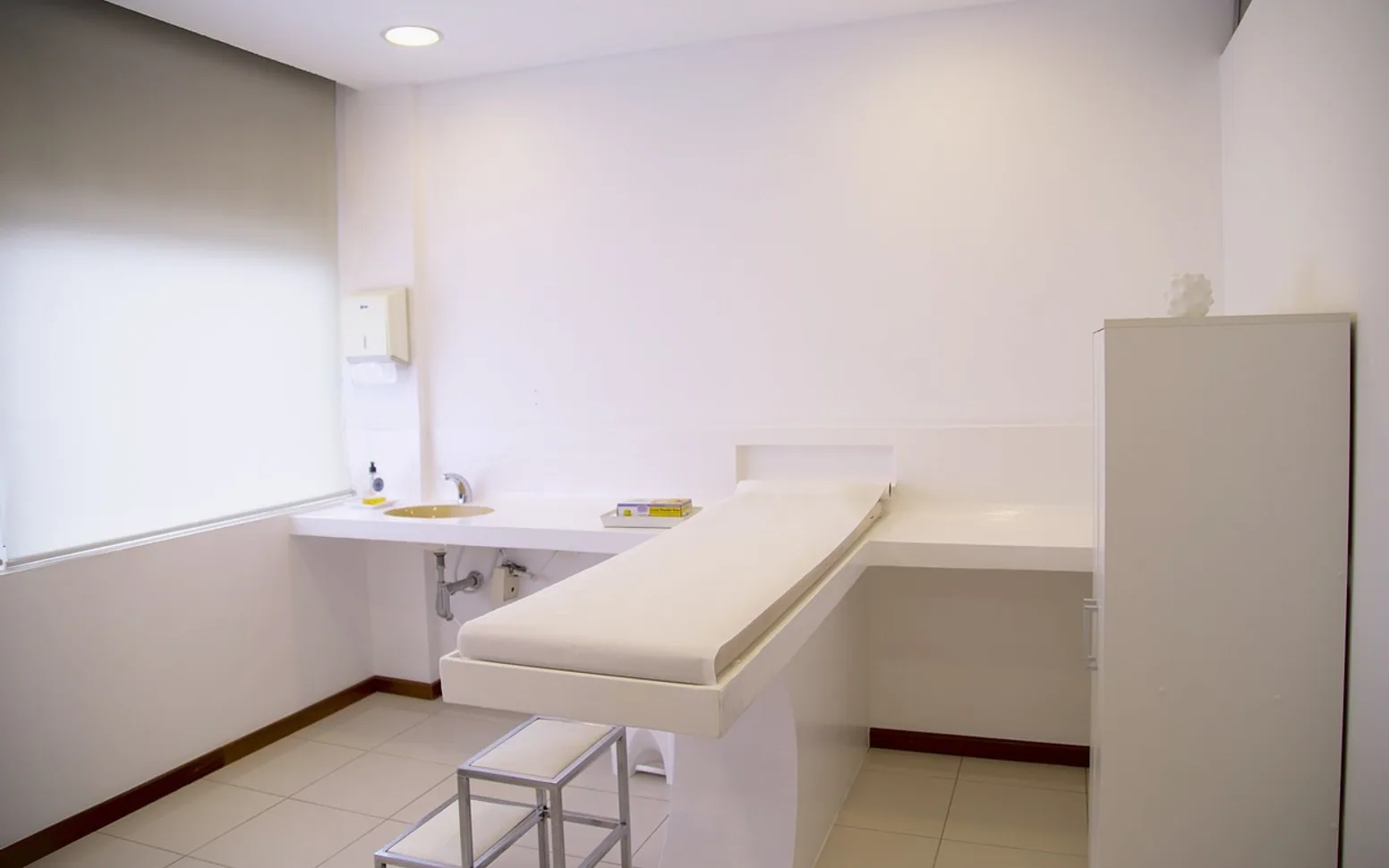
A medical spa sits somewhere between a day spa and a doctor's clinic. The setting is relaxed, with soft lighting, quiet music and a cup of tea while you wait, but the treatments go beyond massages and facials. If you are planning your first appointment, knowing what to expect makes the visit calmer and helps you ask the right questions.
What sets a medical spa apart
Traditional spas focus on relaxation: steam rooms, pools, massages and body wraps. Medical spas, sometimes called medispas or medspas, concentrate on skin and appearance treatments that use clinical equipment or products. Typical services include:
- laser hair removal;
- chemical peels and microdermabrasion;
- light-based skin treatments, sometimes called photofacials;
- treatments aimed at fine lines, uneven tone or acne scarring.
People visit for many reasons. Some want to refresh their skin, others are looking for help with breakouts or marks that have lingered after acne, and some simply want a more professional setting for hair removal.
Check who is in charge
Because these treatments involve medical-grade equipment, rules about who may own a medical spa and who must oversee procedures vary between states and countries. Ask who the supervising medical professional is, whether they are regularly on site and what training the staff performing your treatment have. Reputable clinics answer openly and are happy to show examples of previous results. Many centres also put real thought into their surroundings; Ethos Spa, Skin and Laser Center is one of the places where a calm, carefully designed setting is part of the experience, and some clinics even choose a theme for their rooms.
Preparing for the first appointment
Expect a fairly thorough intake. Before any treatment, you will usually fill in a form covering allergies, medications, skin conditions and past procedures. Be complete and honest. Certain medicines, recent sun exposure, tanning products or a history of cold sores can affect which treatments are suitable and how your skin reacts. Pregnancy and any ongoing health condition should be mentioned to the team right at the beginning.
It is also a good idea to speak with your own doctor or dermatologist before booking something new, particularly a laser or peel. Not every treatment suits every skin type, and they know your health history.
Questions worth asking
- How many sessions does this treatment usually involve for someone like me, and what is the total cost?
- What does recovery look like, and when can I go back to work or the gym?
- What side effects are possible, and what should I do if I notice one?
- How should I care for my skin before and after the session?
A good first visit often ends with a consultation and a patch test rather than a full treatment. That slower start gives you time to think, compare options and decide whether the clinic and the plan feel right for you.
From our desk
Why we keep our promises small
It is tempting to tell readers that one recipe or one routine will change everything. We would rather give you a method that works on a damp Wednesday and leave the big claims to someone else.
When a question needs a person who can actually look at you, we will say so every time.
Ida, Casper and Maren
Good to keep in mind
How we treat information
A few principles that shape every guide before it is published.
Official food-safety and public health guidance comes before anything we read on a forum or a sales page.
When advice differs between countries or experts, we say so instead of picking a side and calling it settled.
Product instructions and the advice of your own dentist or doctor always outrank a general article, including ours.
We leave out figures we cannot stand behind, which is why our guides rarely quote percentages or nutrient amounts.