National Dental Hygiene Month: A Four-Week Reset for Your Teeth
Put up Takes about 4 min
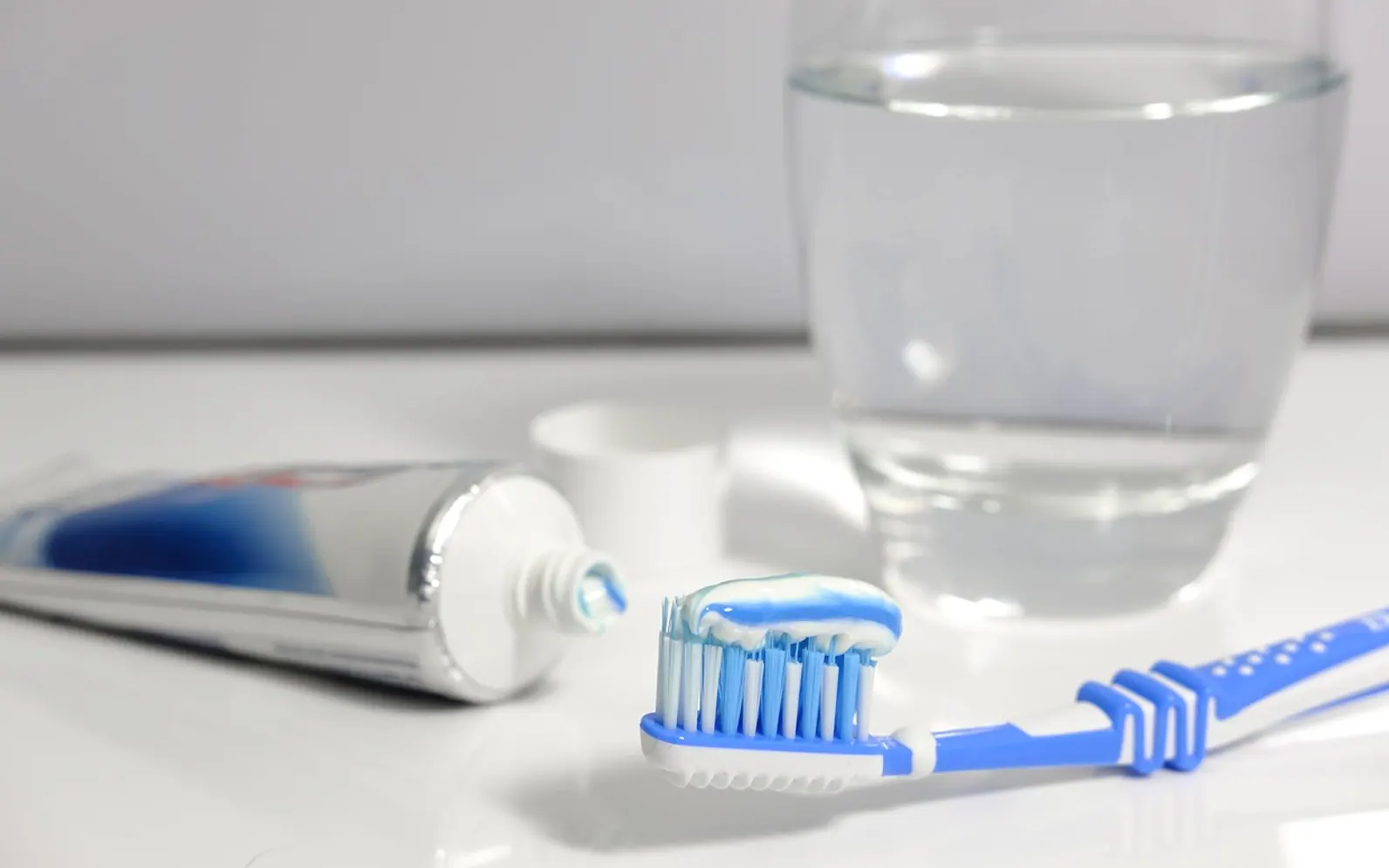
October is National Dental Hygiene Month in the United States, a yearly reminder that the few minutes spent on teeth each morning and evening do most of the work of keeping a mouth healthy. It is also a nod to dental hygienists, the professionals who clean teeth, spot early problems and coach patients on their routines. The month is a handy excuse to look at your own habits without overhauling everything at once.
The plan below gives each week of October one simple focus. Your dentist or hygienist knows your mouth and can tailor any of it, so treat this as a general starting point.
What does a dental hygienist do?
Hygienists carry out professional cleanings, removing hardened deposits that a toothbrush cannot shift, and polish the teeth afterwards. They check the gums, explain how to brush and clean between teeth effectively, and flag anything the dentist should look at. Depending on the country or state, they may also take X-rays or apply protective treatments. Exactly what they can do varies with local rules.
The four-week plan
| Week | Focus | One small task |
|---|---|---|
| 1 | Brushing technique | Time two full minutes, twice a day, with a fluoride toothpaste |
| 2 | Between the teeth | Clean between your teeth once a day, every day, for seven days |
| 3 | Snacks and drinks | Notice how often you snack and sip sugary drinks between meals |
| 4 | Kit and check-up | Replace a worn toothbrush and book a dental visit if one is due |
Week 1: brush with intention
Most people brush for less time than they think. Set a timer or use a song that lasts about two minutes. Angle the bristles towards the gumline, use small, gentle movements and work around the mouth in the same order every time: outer surfaces, inner surfaces, then the chewing surfaces. Spit out the toothpaste afterwards rather than rinsing with lots of water, which is advice many dental teams give so the fluoride stays on the teeth for longer. Pressing hard does not clean better and can irritate the gums.
Week 2: clean between your teeth
The sides of teeth where they touch their neighbours are out of reach of a toothbrush. Floss, interdental brushes or a water flosser all reach them. If you are unsure of the technique, ask the hygienist to show you at your next appointment. Gums may bleed a little at first when you restart; if bleeding continues after a week or two, mention it to your dentist.
Week 3: look at snacks and sips
How often sugary or acidic foods and drinks meet your teeth matters, not only how much. Grazing on sweets or sipping juice through the afternoon gives teeth little rest. Keeping sweet things to mealtimes, choosing water between meals and finishing with a glass of water after a snack are easy changes. Some dentists also suggest waiting a while after acidic food or drinks before brushing.
Week 4: kit and check-up
A toothbrush with splayed, bent bristles cleans poorly; replace it, or the head of an electric brush, every few months or sooner if it looks worn. Anyone with a retainer can use this week to refresh its care routine too; see how to clean a retainer without damaging it. Finally, if you cannot remember your last check-up, now is a good moment to book one.
Halloween at the end of the month
October ends with trick-or-treating, which can feel at odds with a month about teeth. It does not need to. A few habits keep the fun and soften the impact:
- Eat sweets with a meal or straight after one, rather than dipping into the bag all evening.
- Be aware of sticky and hard sweets. Toffees, chewy sweets and lollipops linger on teeth for longer than chocolate, which melts and clears more quickly.
- Drink water afterwards to rinse the mouth.
- Agree a plan with children before the haul comes home, such as a few pieces a day with dinner, and stick to the usual bedtime brushing.
- Offer some non-sweet treats to visiting trick-or-treaters, such as stickers or small toys.
Common questions
Is whitening part of good dental hygiene?
Whitening is cosmetic and does not replace cleaning. If you are thinking about it, look at the comparison in OTC vs dentist teeth whitening and ask your dentist whether your teeth and gums are healthy enough first.
Should I use mouthwash?
Some people find it helpful, but it is an extra rather than a substitute for brushing and cleaning between teeth. Ask your dental team whether a particular rinse makes sense for you.
What signs mean I should see a dentist sooner?
Pain, swelling, a broken tooth, gums that keep bleeding, a sore that does not heal within a couple of weeks, or a loose adult tooth all deserve a prompt appointment rather than waiting for the next routine visit.
From our desk
Why we keep our promises small
It is tempting to tell readers that one recipe or one routine will change everything. We would rather give you a method that works on a damp Wednesday and leave the big claims to someone else.
When a question needs a person who can actually look at you, we will say so every time.
Ida, Casper and Maren
Good to keep in mind
How we treat information
A few principles that shape every guide before it is published.
Official food-safety and public health guidance comes before anything we read on a forum or a sales page.
When advice differs between countries or experts, we say so instead of picking a side and calling it settled.
Product instructions and the advice of your own dentist or doctor always outrank a general article, including ours.
We leave out figures we cannot stand behind, which is why our guides rarely quote percentages or nutrient amounts.
Two minutes, one corner at a time
Press start and follow the coloured corner on the mouth map: thirty seconds each, outsides first, then insides, then the chewing tops.
2:00
Start top left and work round clockwise.
A kitchen-timer helper for Week 1 of the plan, not a dental check. If brushing hurts or your gums keep bleeding, ask your dentist or hygienist.