How to Adjust to the Time Change When the Clocks Fall Back
Put up Takes about 4 min
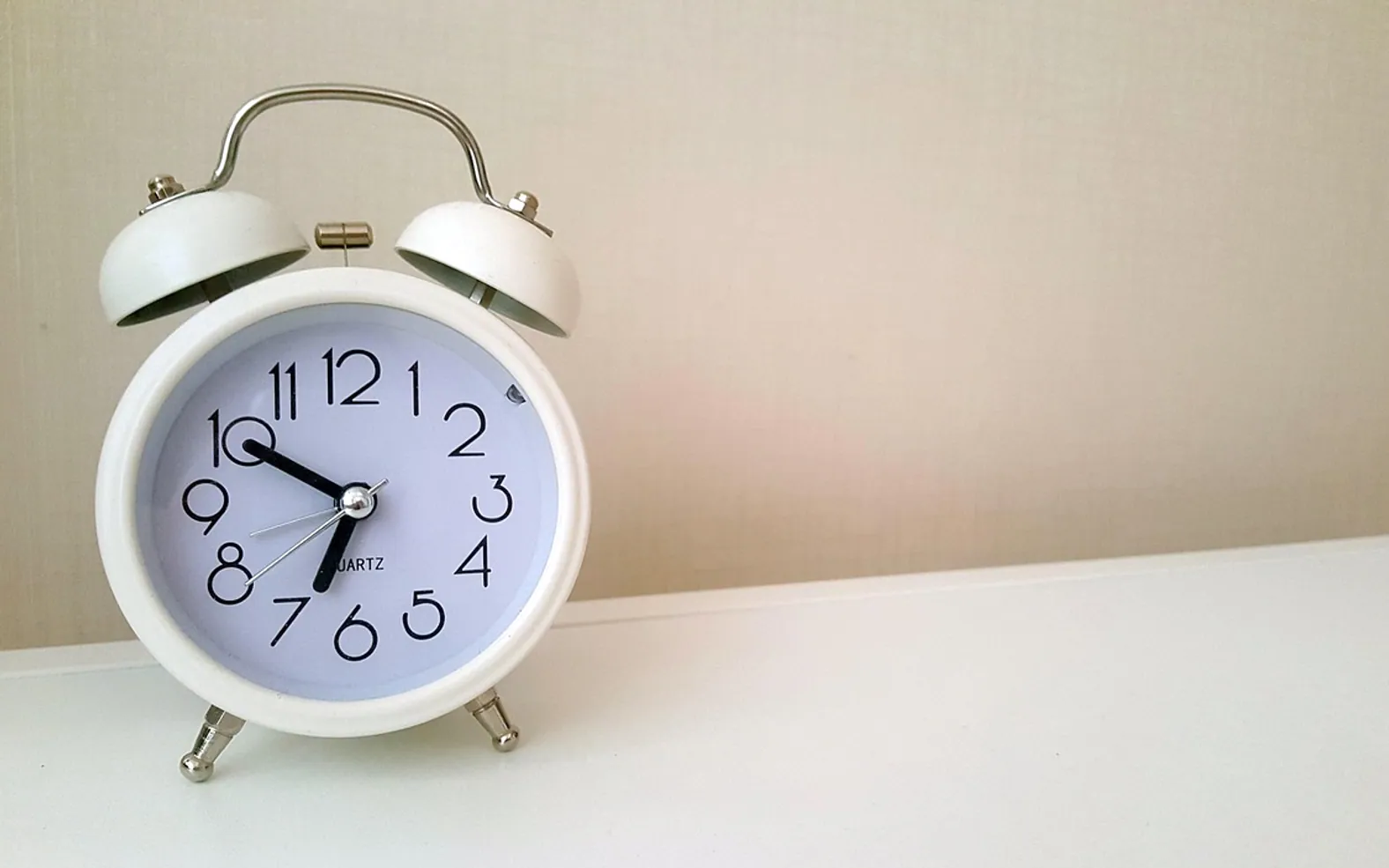
Gaining an hour sounds like a gift, and for many adults it is. Yet the autumn change can still leave people waking too early, feeling sluggish by late afternoon and struggling with the sudden dark evenings. The simplest way to adjust is to shift your routine in small steps over a few days, get daylight early in the morning and keep meals and wake-up times steady.
When the clocks change this year
- UK and most of Europe: clocks go back one hour in the early hours of Sunday, 25 October.
- Most of the US and Canada: daylight saving time ends at 2 a.m. local time on Sunday, 1 November, when clocks fall back to 1 a.m.
- No change: a few places, including Hawaii and most of Arizona, do not use daylight saving time, so their clocks stay put.
Phones and computers update themselves. Oven clocks, car dashboards, older alarm clocks and wall clocks usually do not.
Why an hour can feel like more
The body runs on an internal clock that is set largely by light and by the timing of sleep and meals. When the clock on the wall jumps but that internal rhythm does not, there is a short period of mismatch. You may wake before the alarm because your body still thinks it is the old time, or feel hungry an hour "early". Most people settle within a few days to a week. Babies, young children, older adults and anyone whose sleep is already fragile can take a little longer.
A four-night shift plan
For the autumn change, the aim is to move bedtime and wake time gradually later so the new clock time feels natural on Sunday.
| Night | Bedtime | Wake time |
|---|---|---|
| Wednesday | 15 minutes later than usual | 15 minutes later, if your schedule allows |
| Thursday | 30 minutes later | 30 minutes later |
| Friday | 45 minutes later | 45 minutes later |
| Saturday | An hour later; clocks go back overnight | Your normal time, on the new clock |
If shifting wake time is impossible during the working week, moving bedtime and dinner alone still helps. Treat the plan as a guide rather than a rule.
Habits that help the adjustment
Get morning light
Daylight soon after waking is one of the strongest signals for the body clock. Open the curtains straight away, have breakfast by a window or take a short walk outside. On grey days, outdoor light is still far brighter than indoor lighting.
Keep mealtimes steady
Eating at regular clock times helps your body catch up with the new schedule. Having breakfast ready the night before, such as a jar of overnight oats, makes it easier to eat at a normal hour when you are still a little groggy.
Be careful with long naps
A late-afternoon slump is common in the first few days. A short rest is fine, but long or late naps can make the new bedtime harder to reach.
Keep the evening calm
Dim the lights in the last hour before bed and put screens down a little earlier. Caffeine late in the day and large meals right before bed can both make it harder to settle.
Children, pets and older relatives
- Young children: move naps, meals and bedtime later in 10 to 15 minute steps over the week before. Blackout blinds help with early light on the first few mornings.
- Pets: dogs and cats notice when breakfast is "late". Shift feeding and walks gradually too.
- Older relatives: the change can be confusing for someone with memory problems. Update the clocks they rely on and keep routines as familiar as possible. If they take medicines at set times, ask a pharmacist or doctor how to handle the change rather than guessing.
Darker evenings and the commute
After the change, many people drive or walk home in the dark for the first time in months. Allow extra time, wear something bright or reflective when walking or cycling, and take care if you feel drowsy behind the wheel. It is also a good moment for a few household checks that fire services commonly suggest, such as testing smoke alarms.
Making the most of shorter days
A lunchtime walk captures daylight that the evening no longer offers. Cosy indoor plans help too: a regular card game or puzzle, like the ones in our guide to games for seniors, gives dark afternoons a bit of structure for every generation. Hearty, simple cooking suits the season as well, and the principles in choosing healthy eating patterns for life work at any hour of the clock.
When to get advice
Feeling off for a few days is normal. If poor sleep, low mood or daytime exhaustion carries on for weeks, or if shorter days bring a noticeable dip in mood every year, speak to a doctor. They can look at what is going on and suggest support that fits you.
From our desk
Why we keep our promises small
It is tempting to tell readers that one recipe or one routine will change everything. We would rather give you a method that works on a damp Wednesday and leave the big claims to someone else.
When a question needs a person who can actually look at you, we will say so every time.
Ida, Casper and Maren
Good to keep in mind
How we treat information
A few principles that shape every guide before it is published.
Official food-safety and public health guidance comes before anything we read on a forum or a sales page.
When advice differs between countries or experts, we say so instead of picking a side and calling it settled.
Product instructions and the advice of your own dentist or doctor always outrank a general article, including ours.
We leave out figures we cannot stand behind, which is why our guides rarely quote percentages or nutrient amounts.