Orthodontic Assistants at the Chairside: Training Pathways and Everyday Impact
Put up Takes about 2 min
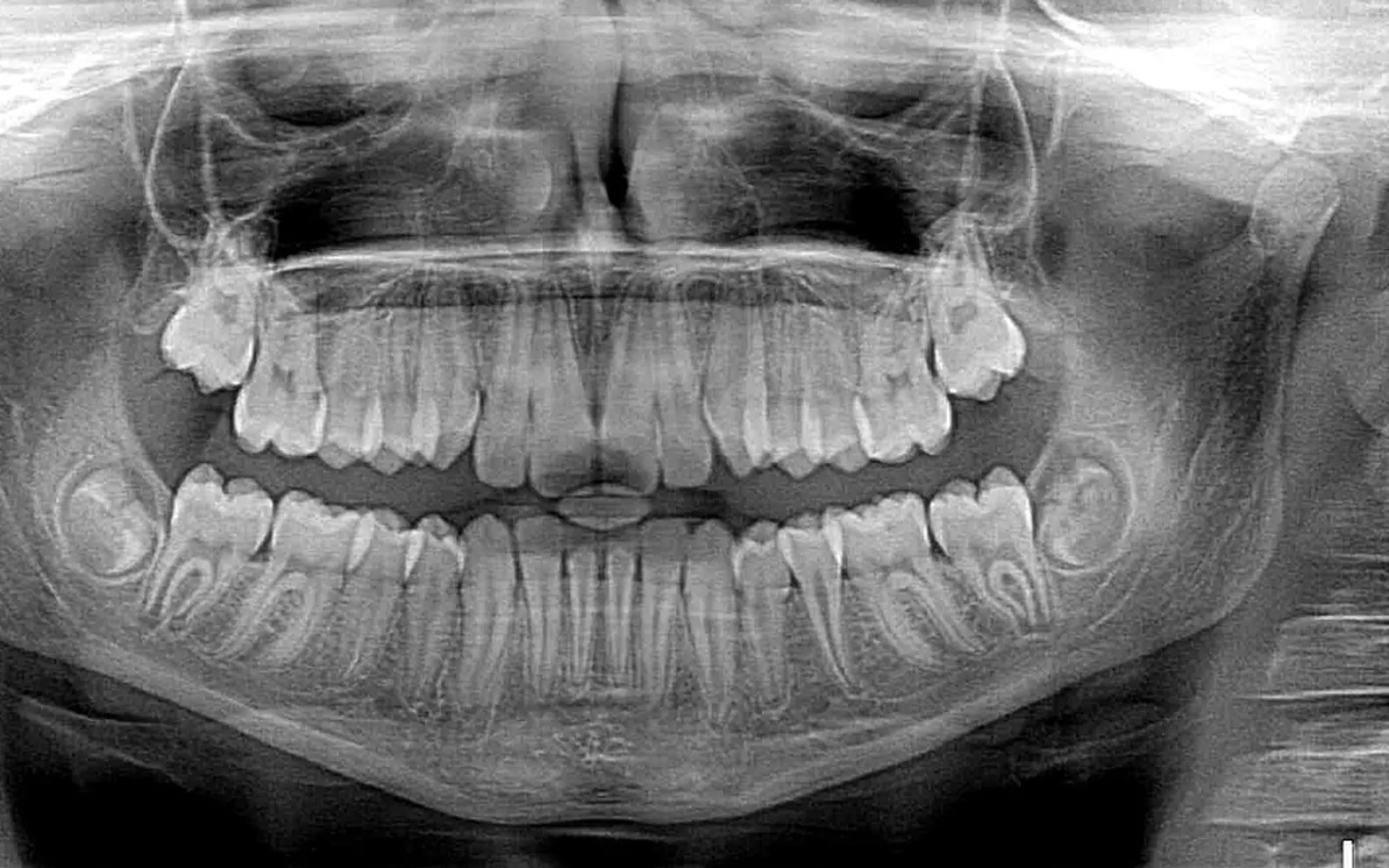
People who wore braces as teenagers often recall the assistant's face more clearly than the orthodontist's. It is the assistant who greets them, explains what is about to happen, fits the cheek retractor and hands over the mirror at the end. Behind that friendly routine sits a demanding mix of technical skill, hygiene discipline and people skills.
A typical day beside the chair
An orthodontic assistant's day is built around short, tightly scheduled appointments. Between patients they prepare trays of instruments, check medical histories and make sure the treatment room is clean and ready. During visits, and always under the orthodontist's direction and within local rules, they may:
- take photographs, X-rays and digital scans for the patient's records;
- change archwires, ties and elastics during routine adjustments;
- help with fitting and removing brackets;
- check retainers and aligners for fit and wear;
- show patients how to brush around brackets and care for their appliance at home.
Exactly which tasks an assistant may carry out depends on the country or region, so training is always shaped by local regulations.
Routes into the role
Training paths differ widely. Some people start through vocational courses or colleges, others train within a practice while studying part time. In the Netherlands, for example, a dedicated opleiding orthodontie gives dental assistants a structured way to build orthodontic skills alongside their clinical work. Typical courses cover tooth and jaw anatomy, infection control, radiography safety, taking impressions and scans, and the step-by-step procedures used in braces and aligner treatment. Practical sessions on models come before supervised work with real patients, where feedback on accuracy, speed and manner helps new assistants grow in confidence.
Hygiene, safety and the digital clinic
Infection control is a constant part of the job. Assistants clean and sterilise instruments, track sterilisation cycles, disinfect surfaces between appointments and use protective equipment correctly. When taking X-rays, they position patients carefully so images are useful while exposure stays as low as practical.
Technology keeps expanding the role. Intraoral scanners have replaced many messy impressions, software helps plan aligner treatment and photo records track progress over months. Assistants who handle these tools smoothly help appointments run on time and reduce the need for retakes.
Why the assistant matters to patients
For a nervous teenager or an adult starting treatment later in life, the assistant is often the person who makes the experience feel manageable. Clear explanations, a gentle touch and a reminder about which foods to avoid all affect how well a patient copes and how well they follow instructions at home. Good teamwork between orthodontist and assistant also means fewer delays and more attention for each person in the chair.
If you are thinking about orthodontic treatment for yourself or a child, your dentist or orthodontist can explain the options and what appointments will involve. Knowing who you will meet and what they do can make the whole process feel far less daunting.
From our desk
Why we keep our promises small
It is tempting to tell readers that one recipe or one routine will change everything. We would rather give you a method that works on a damp Wednesday and leave the big claims to someone else.
When a question needs a person who can actually look at you, we will say so every time.
Ida, Casper and Maren
Good to keep in mind
How we treat information
A few principles that shape every guide before it is published.
Official food-safety and public health guidance comes before anything we read on a forum or a sales page.
When advice differs between countries or experts, we say so instead of picking a side and calling it settled.
Product instructions and the advice of your own dentist or doctor always outrank a general article, including ours.
We leave out figures we cannot stand behind, which is why our guides rarely quote percentages or nutrient amounts.