How to Clean a Retainer Without Damaging It
Put up Takes about 3 min
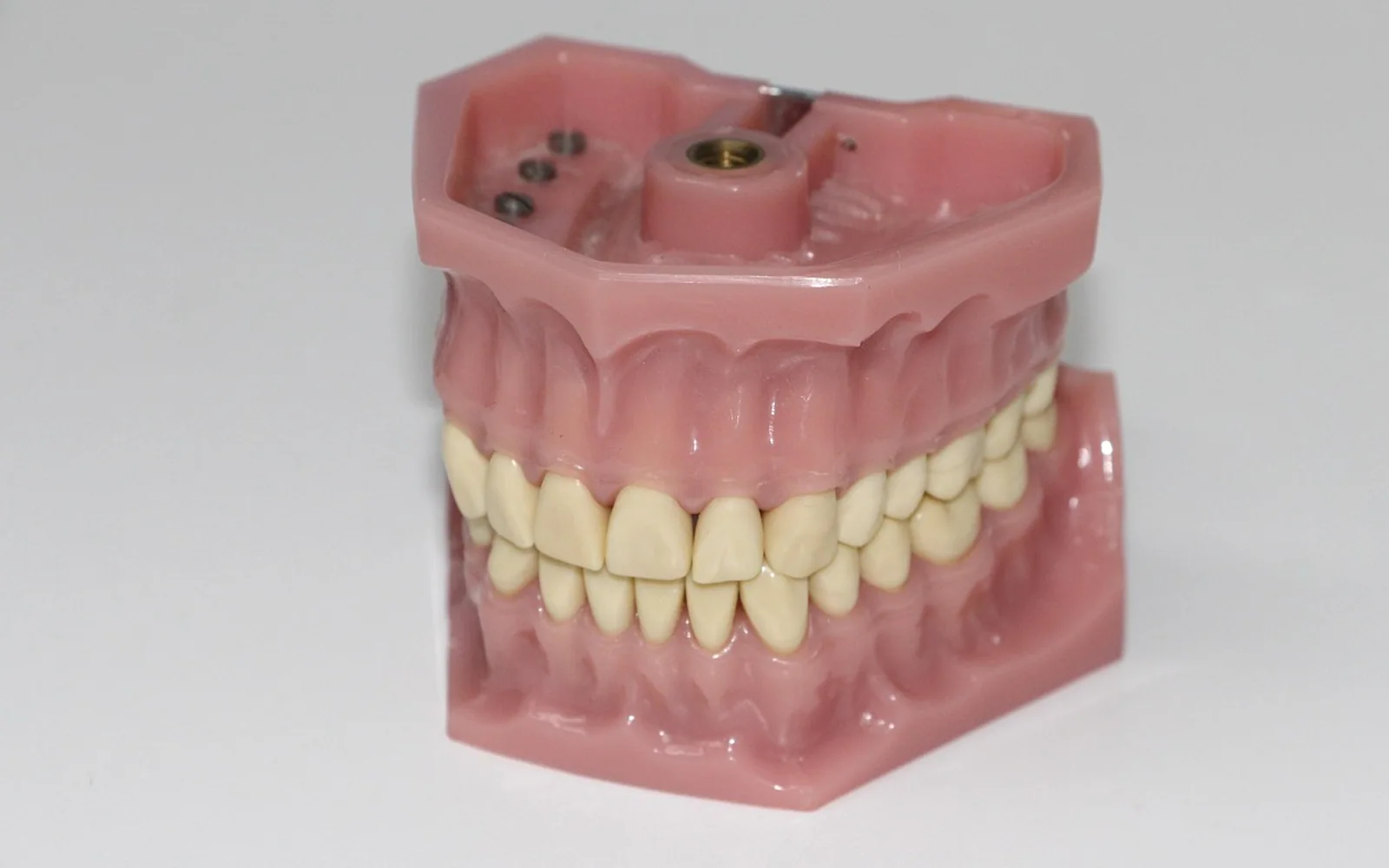
After braces or aligners come off, a retainer is what keeps teeth from drifting back. It also spends a long time in your mouth, which means it collects the same plaque and food film as your teeth do. Left alone, it can start to look cloudy, smell unpleasant or feel rough. A few minutes of care each day keeps it fresh and helps it last.
The tips below are general. Retainers are made from different materials, and your orthodontist or dentist may have given you specific instructions for yours. Where those differ from anything here, follow their advice.
Know which retainer you have
| Type | What it looks like | Cleaning in short |
|---|---|---|
| Clear plastic retainer | A thin, transparent tray shaped to your teeth | Rinse and brush gently with cool or lukewarm water and mild soap |
| Wire-and-acrylic retainer | A plate that sits against the palate or behind lower teeth, with a wire across the front | Brush all surfaces gently, including around the wire |
| Fixed (bonded) retainer | A thin wire glued behind the front teeth | Cleaned in place with brushing and floss threaders or interdental brushes |
A simple daily routine for removable retainers
- Rinse it as soon as it comes out. Saliva and plaque are easiest to remove before they dry onto the surface.
- Brush it gently. Use a soft toothbrush kept just for the retainer. A little mild, unscented liquid soap works well. Many orthodontists suggest avoiding regular toothpaste on clear retainers, because the gritty particles can leave fine scratches where bacteria settle.
- Get into the grooves. Pay attention to the parts that sit against the tooth edges and gums, where film builds up most.
- Rinse thoroughly. Make sure no soap is left behind before you put it back in.
- Brush your own teeth first. Putting a clean retainer onto unbrushed teeth undoes the work.
What to avoid
- Hot or boiling water. Heat can warp plastic, and a retainer that has changed shape may no longer fit or do its job.
- The dishwasher and the washing machine. Both get too hot and too rough.
- Bleach and harsh household cleaners. They can damage the material and are not something you want in your mouth.
- Long soaks in strong mouthwash. Some mouthwashes can discolour or weaken plastic over time.
- Scrubbing with abrasive powders or stiff brushes. Scratches make the surface harder to keep clean.
Cleaning tablets and soaks made for dental appliances exist, but ask your orthodontist before using one, as not every product suits every material.
Eating, drinking and storing
Take a removable retainer out to eat, and avoid drinking anything other than water while it is in; sugary or coloured drinks can collect underneath it against your teeth. Whenever it is out of your mouth, put it straight into its case. Wrapped in a napkin, a retainer is very easy to throw away by accident, and dogs are notorious for finding them and chewing them up.
The case needs looking after too. Rinse it every day, give it a proper wash with mild soap every so often, and leave it open to dry so moisture does not linger.
Looking after a fixed retainer
A bonded wire behind the teeth cannot be taken out, so plaque around it has to be cleaned in place. Brush carefully along the wire and the gumline, then use a floss threader or a small interdental brush to clean between the teeth under the wire. The technique is similar to normal flossing, just with a little extra threading. If the wire feels loose, sharp or has come away from a tooth, contact your orthodontist or dentist rather than trying to fix it yourself.
Signs it is time for a check
- The retainer no longer clicks into place or feels tight in a new way.
- There are cracks, sharp edges or a bent wire.
- White, chalky build-up returns quickly even with daily cleaning.
- Your gums around it feel sore or look red.
Any of these is worth mentioning to your orthodontic team. Retainers are part of a longer journey of orthodontic care, and the people who help you along it, from orthodontists to orthodontic assistants at the chairside, are used to answering exactly these questions.
The routine in one line
Rinse it, brush it gently with mild soap and cool water, keep it in its case and away from heat, and ask your orthodontist when something does not feel right.
From our desk
Why we keep our promises small
It is tempting to tell readers that one recipe or one routine will change everything. We would rather give you a method that works on a damp Wednesday and leave the big claims to someone else.
When a question needs a person who can actually look at you, we will say so every time.
Ida, Casper and Maren
Good to keep in mind
How we treat information
A few principles that shape every guide before it is published.
Official food-safety and public health guidance comes before anything we read on a forum or a sales page.
When advice differs between countries or experts, we say so instead of picking a side and calling it settled.
Product instructions and the advice of your own dentist or doctor always outrank a general article, including ours.
We leave out figures we cannot stand behind, which is why our guides rarely quote percentages or nutrient amounts.