How To Take The Headache Out Of Doing OTC VS Dentist Teeth Whitening
Put up Updated Takes about 2 min
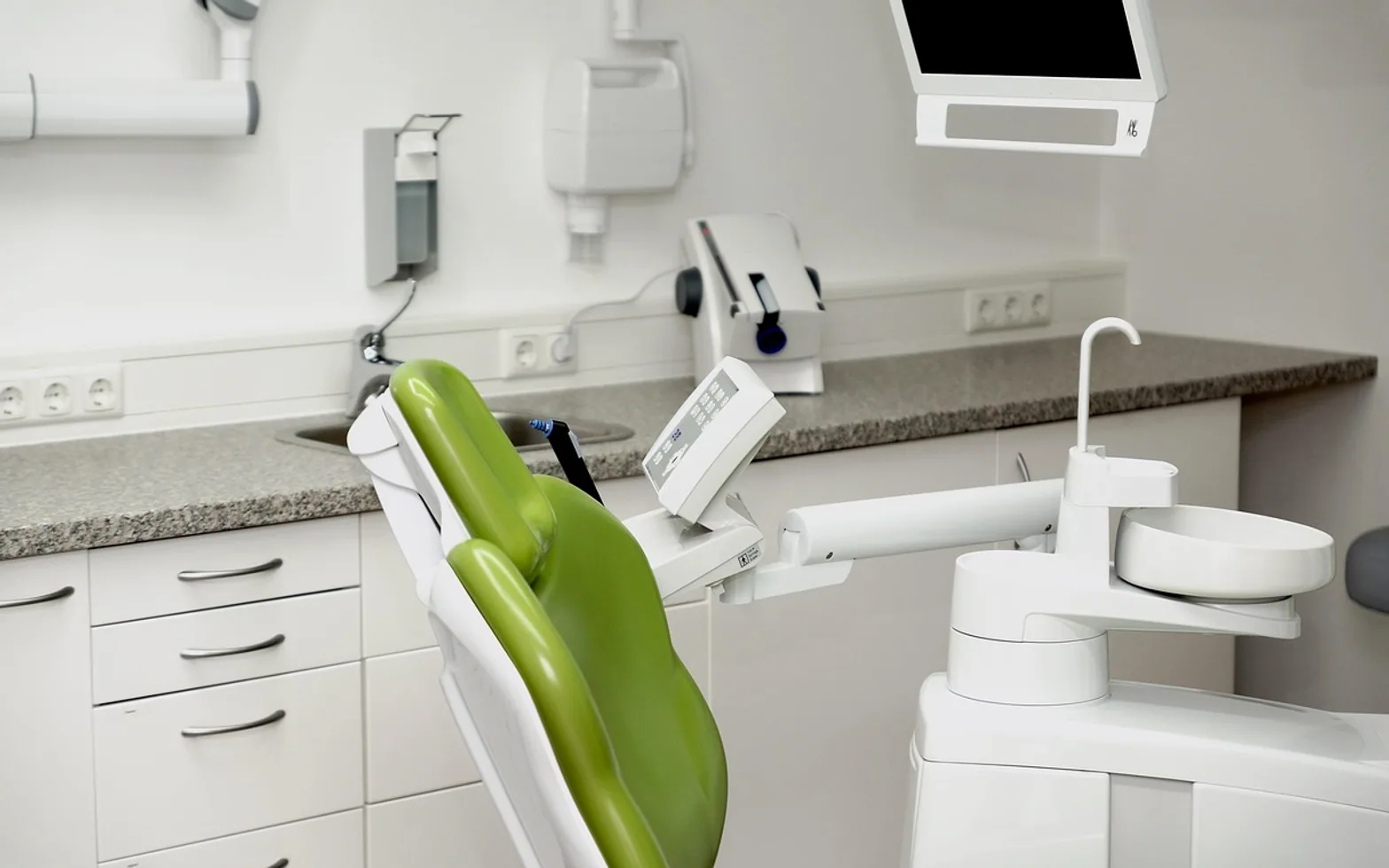
Shelves and online shops are full of whitening strips, trays, pens and rinses, and dental practices advertise their own in-office treatments. With so many choices, deciding how to brighten your teeth can feel more complicated than it should. The confusion clears quickly once you understand that the two routes simply work in different ways and suit different situations.
The over-the-counter options
Home products come in several forms, and each has its own feel:
- Strips are thin, flexible films coated with a whitening gel that you press onto the teeth.
- Trays and gels hold the product against the teeth for a set time; some kits use pre-filled trays, others mouldable ones.
- Pens and paint-on gels are handy for touch-ups.
- Toothpastes and rinses mostly help with surface stains rather than changing the underlying shade.
Range and price are the big attractions here. Shoppers in Scandinavia, for instance, who search for tandblekning products will find a wide selection of kits to suit different budgets and preferences. Home whitening lets you work at your own pace, often in short sessions spread over a couple of weeks. The main drawback some users notice is temporary sensitivity or gum irritation, especially if a product is left on too long or used more often than the instructions say.
What happens in the dental chair
A professional treatment starts with an examination. The dentist checks for cavities, gum disease, cracks or exposed roots that could make whitening uncomfortable, and decides whether the stains you have are likely to respond. In-office whitening uses stronger products, applied with the gums protected and the process watched throughout, so results usually appear faster. It costs more and needs an appointment, but you gain an expert eye on your teeth from start to finish. Some practices also provide custom-fitted trays for supervised use at home.
Side by side in one table
| Over the counter | Dentist | |
|---|---|---|
| Cost | Lower | Higher |
| Speed | Gradual | Usually faster |
| Convenience | At home, any time | Appointment needed |
| Supervision | Follow the label yourself | Monitored by a professional |
A combined plan that keeps things simple
Many people find a middle path works best. Book a routine check-up and clean first; a professional clean alone can make teeth look noticeably brighter. Ask your dentist whether your teeth and gums are healthy enough for whitening and which approach they would suggest. Then, if home whitening gets the green light, choose a product, follow its timings exactly and take a break if sensitivity appears. Remember that crowns, fillings and veneers will not change colour, so plan around any visible dental work.
With a healthy mouth as the starting point and a realistic timeline, brightening your smile becomes a straightforward project instead of a headache.
From our desk
Why we keep our promises small
It is tempting to tell readers that one recipe or one routine will change everything. We would rather give you a method that works on a damp Wednesday and leave the big claims to someone else.
When a question needs a person who can actually look at you, we will say so every time.
Ida, Casper and Maren
Good to keep in mind
How we treat information
A few principles that shape every guide before it is published.
Official food-safety and public health guidance comes before anything we read on a forum or a sales page.
When advice differs between countries or experts, we say so instead of picking a side and calling it settled.
Product instructions and the advice of your own dentist or doctor always outrank a general article, including ours.
We leave out figures we cannot stand behind, which is why our guides rarely quote percentages or nutrient amounts.