How to Make Bone Broth at Home
Put up Takes about 4 min
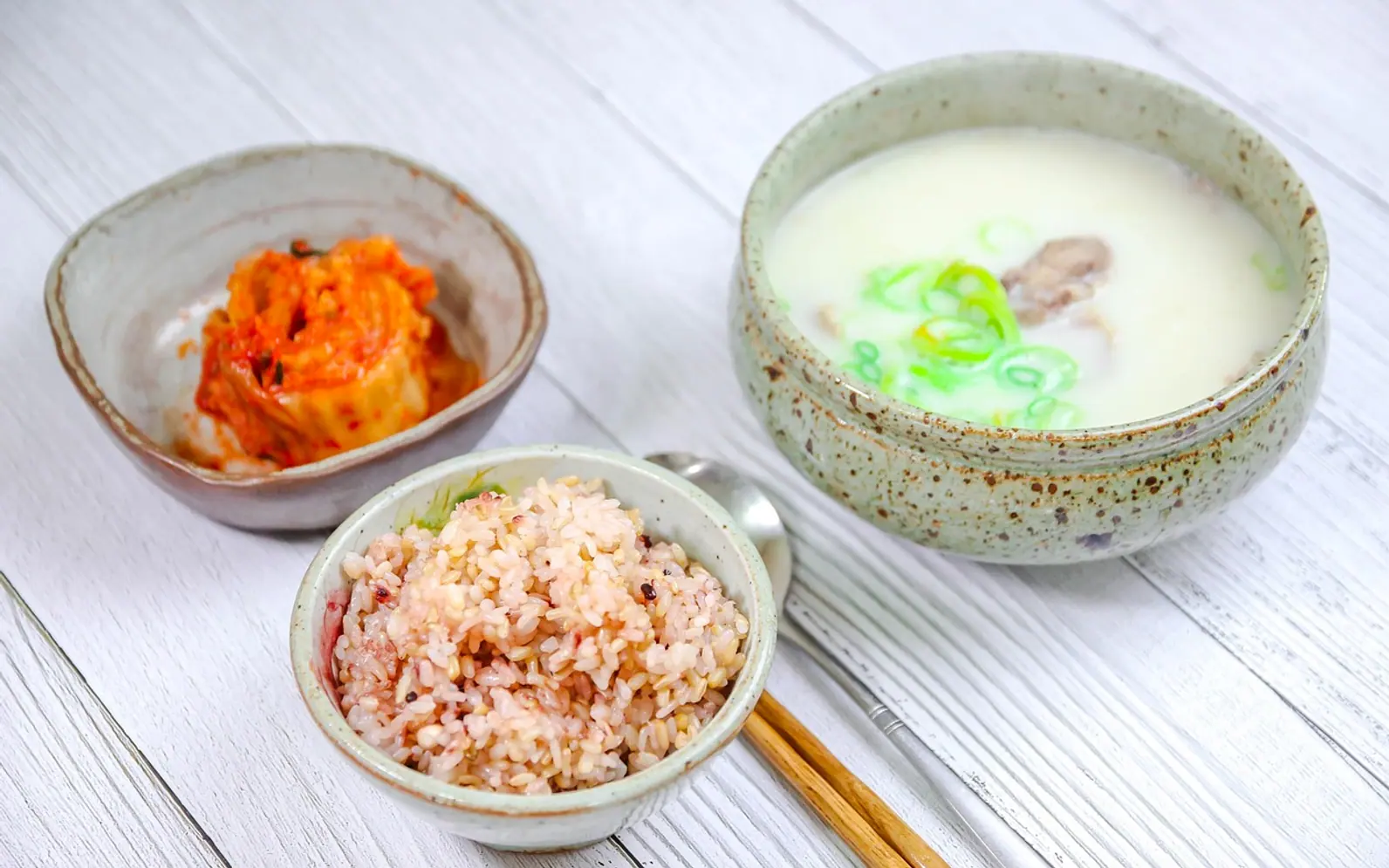
Bone broth is one of those kitchen projects that sounds grand and turns out to be very simple. You roast some bones, cover them with water and let the pot tick over gently for hours. What you end up with is a rich, savoury liquid that makes soups, stews, risottos and sauces taste noticeably deeper. It is also a thrifty way to use carcasses and offcuts that would otherwise be thrown out.
You will see plenty of big promises made about bone broth online. We prefer to treat it as what it certainly is: a comforting, flavourful food. If you are hoping it will help with a particular health issue, that is a question for your doctor rather than a recipe.
Broth or stock?
The words overlap in everyday cooking. Stock is usually made mainly from bones and simmered for a few hours. Bone broth is typically simmered for much longer, so it often sets to a soft jelly in the fridge because of the gelatine drawn out of the bones and joints. Both are useful; this method leans towards the longer, richer version.
What you need
- Bones — a roast chicken carcass, chicken wings or feet, beef knuckles, marrow bones or oxtail. A mix of meaty bones and joints gives the best body.
- Vegetables — onion, carrot and celery, roughly chopped. Leek tops and mushroom stalks are welcome too.
- Aromatics — bay leaves, peppercorns, a few garlic cloves, parsley stalks.
- A splash of vinegar — many cooks add some to the pot at the start; it does no harm and adds a gentle brightness.
- Cold water — enough to cover everything.
Step by step
- Roast the bones. Spread them on a tray and roast in a hot oven until they are well browned. This step is optional for chicken but makes a big difference to the colour and flavour of beef broth.
- Fill the pot. Move the bones to a large pot, add the vegetables and aromatics, then pour in cold water to cover. Scrape any browned bits from the roasting tray into the pot with a little water.
- Bring it up slowly. Heat until the surface is barely trembling. A hard boil makes broth cloudy and greasy, so keep it gentle.
- Skim. In the first hour, grey foam rises to the top. Lift it off with a large spoon.
- Simmer for a long time. Chicken broth develops well over several hours; beef bones can go for most of a day. Top up with hot water if the level drops below the bones.
- Strain. Lift out the large pieces, then pour the liquid through a fine sieve. Discard the spent bones and vegetables.
Slow cooker and pressure cooker
A slow cooker on its low setting is ideal for long simmering without watching a hob. A pressure cooker gets you a rich broth much faster. In both cases, follow the manufacturer's instructions for maximum fill levels and safe release of pressure.
Cooling and storing safely
A large pot of warm broth is exactly the sort of thing bacteria enjoy, so this part matters more than any seasoning.
- Cool it quickly. Divide the strained broth into smaller, shallow containers rather than leaving the whole pot to cool on the hob. Standing the containers in a sink of cold water speeds things up.
- Refrigerate promptly. Once it has stopped steaming, cover it and put it in the fridge. Do not leave it out overnight.
- Use within a few days. Kept in the fridge, homemade broth is best used within a few days.
- Freeze for longer. Freeze in portions you will actually use: jars with headspace, freezer bags laid flat, or ice-cube trays for small amounts.
- Reheat thoroughly. Bring it to a rolling boil before using or drinking it.
When chilled, a layer of fat sets on top. You can lift it off and discard it, or keep it for roasting potatoes.
Quick fixes
| Problem | What to try |
|---|---|
| Cloudy broth | Keep it at a gentle simmer and skim early on |
| Does not set in the fridge | Add more joints, wings or feet next time and use a little less water |
| Tastes flat | Roast the bones longer and season with salt only at the end |
| Too greasy | Chill it and remove the solid fat layer |
Ways to use it
Sip it from a mug with a pinch of salt and some chopped herbs, use it as the base for noodle soups, or cook grains in it. A pan of quinoa simmered in broth instead of water is a quick way to add flavour to a weekday meal.
Broth is also the backbone of good soup. For ideas on what to do with it next, and a few mistakes worth avoiding, have a look at our soup do's and don'ts.
Season lightly while it simmers, if at all. Broth often gets reduced later, and a pot that tastes right today can be far too salty once it has been boiled down for a sauce.
From our desk
Why we keep our promises small
It is tempting to tell readers that one recipe or one routine will change everything. We would rather give you a method that works on a damp Wednesday and leave the big claims to someone else.
When a question needs a person who can actually look at you, we will say so every time.
Ida, Casper and Maren
Good to keep in mind
How we treat information
A few principles that shape every guide before it is published.
Official food-safety and public health guidance comes before anything we read on a forum or a sales page.
When advice differs between countries or experts, we say so instead of picking a side and calling it settled.
Product instructions and the advice of your own dentist or doctor always outrank a general article, including ours.
We leave out figures we cannot stand behind, which is why our guides rarely quote percentages or nutrient amounts.