How to Clean a Wooden Cutting Board (and When to Oil It)
Put up Takes about 5 min
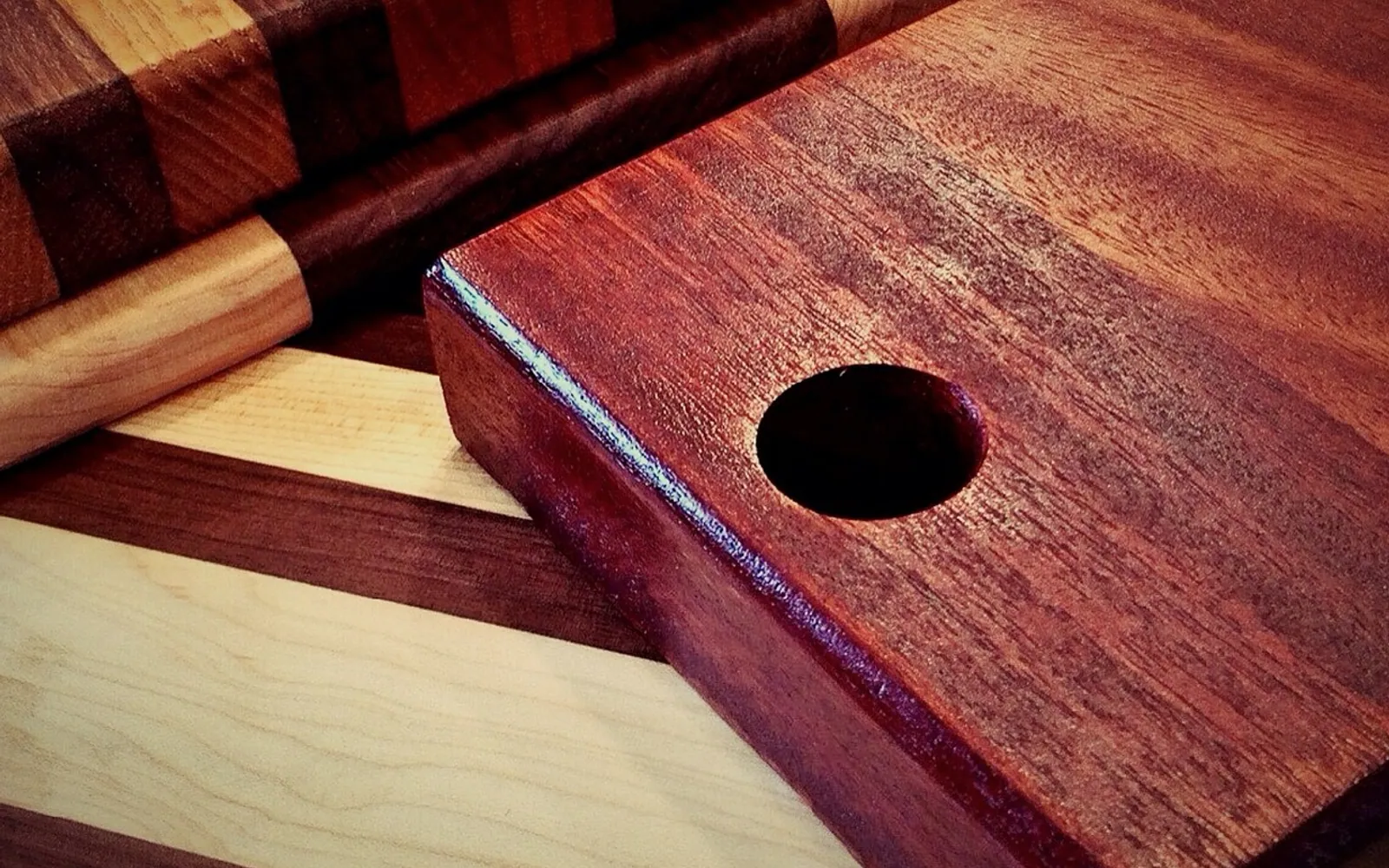
The short version: scrub a wooden board with hot, soapy water straight after use, rinse it, wipe it dry and stand it on its edge until it is fully dry. Never leave it soaking and never put it in the dishwasher. Every few weeks, rub in a thin coat of food-safe mineral oil so the wood stays supple instead of drying out and splitting.
That routine takes a couple of minutes, and a well-kept board can stay on the counter for many years. The details below explain why each step matters, how to deal with stains and smells, and what to do once the surface starts to look tired.
Why wood needs different care from plastic
Wood is a natural material that soaks up and releases moisture. When it gets very wet and then dries quickly, the fibres swell and shrink unevenly, which is how boards warp, crack or open up at the glue lines. Plastic boards shrug that off and can usually go through a hot dishwasher cycle. A wooden board asks for a gentler, quicker wash, but rewards you with a surface that is kind to knife edges and pleasant to work on.
Everyday cleaning, step by step
- Scrape it off. Push crumbs and peelings into the bin or compost with the back of a knife or a bench scraper.
- Wash both sides. Use hot water, a little washing-up liquid and a brush or sponge. Cleaning both faces helps the board dry evenly, which keeps it flat.
- Rinse quickly. A short rinse under the tap is enough. Holding it under running water for minutes on end is what invites warping.
- Towel it dry. Wipe away surface water with a clean tea towel.
- Stand it upright. Lean the board on its edge or put it in a rack so air reaches every side. A board left flat on a wet counter dries on one face only.
What about raw meat?
Many home cooks keep one board just for raw meat, poultry and fish, and use a separate one for bread, fruit and vegetables. A plastic board that can go through the dishwasher is a practical choice for raw meat. If you do use wood, wash it with hot soapy water as soon as you have finished, before you chop anything else on it, and keep your food safety habits consistent from board to knife to hands.
Lifting stains and smells
Beetroot, berries, garlic and onion all leave their mark. A few kitchen staples deal with most of it:
- Coarse salt and lemon. Sprinkle a handful of coarse salt over the board, then rub it in with half a lemon, cut side down. Leave it for a few minutes, scrape off the grey paste and rinse.
- Baking soda paste. Mix baking soda with a few drops of water, spread it over a smelly patch, leave it briefly and rinse it away.
- White vinegar. A wipe with undiluted white vinegar is a popular way to freshen the surface between deep cleans. Let it dry before oiling.
None of these needs to happen daily. Once a week, or whenever the board smells of last night's curry, is plenty.
How to oil a cutting board
Oil fills the wood's pores, slows down how quickly water gets in and stops the surface from turning pale and thirsty. Food-grade mineral oil is the usual choice because it does not turn rancid. Board creams that blend mineral oil with beeswax add a slightly more water-resistant finish. Cooking oils such as olive or sunflower oil are best avoided on boards, because they can go stale and leave a sticky, sour-smelling layer over time.
- Start with a clean, completely dry board. Overnight drying is ideal.
- Pour a small pool of oil onto the surface and spread it with a clean cloth or paper towel, following the grain.
- Do every face, including the edges and the underside.
- Leave it to soak in for a few hours, or overnight if the board looks very dry.
- Buff off any oil still sitting on top so the board does not feel greasy.
How often should you oil it?
A new board may want oil every week or so for the first month. After that, once a month is a good rhythm for a board in daily use. The simplest test is a few drops of water: if they bead on the surface, the board is fine; if they sink in and leave a dark patch, it is time for another coat.
A simple care schedule
| When | What to do |
|---|---|
| After every use | Scrape, wash with hot soapy water, rinse, towel off, dry upright |
| Weekly or when it smells | Salt and lemon scrub, or a baking soda paste on stubborn spots |
| Roughly monthly | Thin coat of food-safe mineral oil or board cream |
| Once or twice a year | Light sanding of rough or fuzzy patches, then re-oil |
Mistakes that shorten a board's life
- Leaving it to soak in the sink, even "just for a minute".
- Running it through the dishwasher, where heat and long wet cycles crack and warp wood.
- Storing it flat on a damp worktop or next to the hob.
- Using cooking oil instead of a food-safe board oil.
- Ignoring a fuzzy, raised grain. A quick rub with fine sandpaper smooths it again.
When to replace a wooden board
Light knife marks are normal and can be sanded smooth. Deep grooves that you cannot clean properly, cracks that run through the board, splits along a glue line or a smell that comes back no matter what you do are all signs it has done its job. Move it to a new life as a serving board for bread, or retire it.
Quick answers
Can I use bleach on a wooden board?
Some households use a diluted sanitising solution now and then. If you choose to, follow the product label exactly, rinse well afterwards and let the board dry fully before oiling. For everyday use, hot soapy water is the core of the routine.
Is bamboo cared for the same way?
Mostly, yes. Bamboo boards also dislike soaking and dishwashers and benefit from an occasional coat of oil.
A clean, steady board makes prep feel calmer. It is where the vegetables for a pot from the soup do's and don'ts get diced, and where onions and carrots are roughly chopped for homemade bone broth. Once everything is chopped and cooked, the guide on how to organize a fridge helps the food keep well too.
From our desk
Why we keep our promises small
It is tempting to tell readers that one recipe or one routine will change everything. We would rather give you a method that works on a damp Wednesday and leave the big claims to someone else.
When a question needs a person who can actually look at you, we will say so every time.
Ida, Casper and Maren
Good to keep in mind
How we treat information
A few principles that shape every guide before it is published.
Official food-safety and public health guidance comes before anything we read on a forum or a sales page.
When advice differs between countries or experts, we say so instead of picking a side and calling it settled.
Product instructions and the advice of your own dentist or doctor always outrank a general article, including ours.
We leave out figures we cannot stand behind, which is why our guides rarely quote percentages or nutrient amounts.