Packed Lunch Ideas for Work That Still Taste Good at Noon
Put up Takes about 4 min
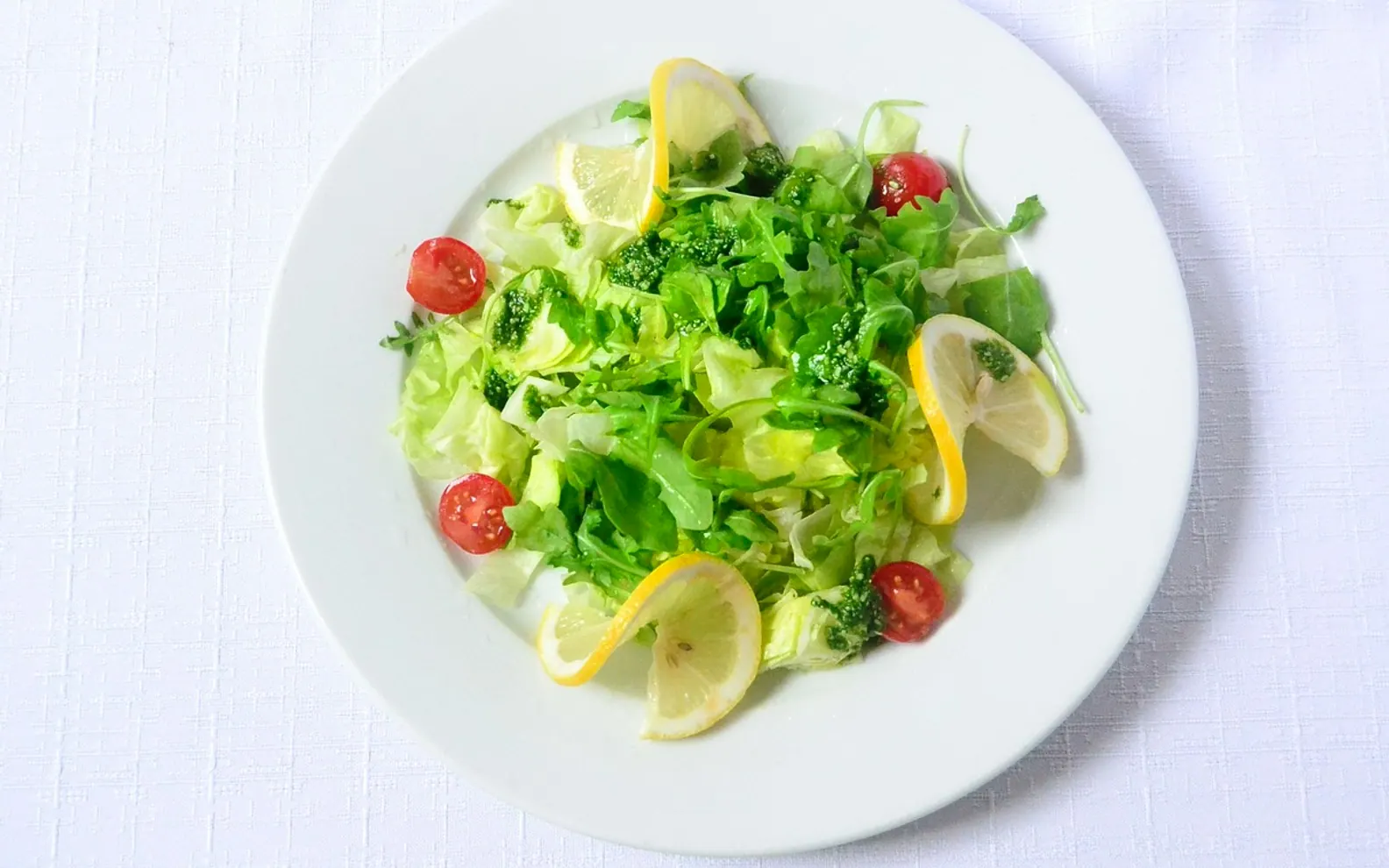
The lunches that survive a morning in a bag have a few things in common. They are built on sturdy ingredients, the wet parts travel separately, and they are cold until you eat them. Get those three right and a packed lunch can be every bit as satisfying as something bought near the office, usually for less money and with a lot more vegetables.
The build-a-box formula
Instead of hunting for a new recipe every evening, pick one thing from each line:
- A base: cooked grains, pasta, wholegrain bread or wraps, or a bed of sturdy greens such as kale or shredded cabbage.
- A protein: beans, lentils, chickpeas, eggs, tofu, cheese, leftover chicken or tinned fish.
- Vegetables, raw or roasted: peppers, carrots, cucumber, cherry tomatoes, roasted squash or broccoli.
- Something crunchy: toasted seeds, nuts, crispbread or a handful of radishes.
- A sauce on the side: dressing, yoghurt dip, hummus, pesto or salsa in a small pot.
The point is variety without effort. Swap one element each day and the same formula produces a different lunch.
Ten packed lunches to rotate
- Quinoa and roasted vegetable bowl with feta or chickpeas and a lemony dressing on the side. A batch of fluffy quinoa made on Sunday covers several days.
- Layered salad jar. Dressing at the bottom, then hard vegetables, then grains or beans, then leaves on top. Shake into a bowl at lunchtime.
- Cold pasta salad with pesto, cherry tomatoes, spinach and white beans. Cook the pasta just to tender so it stays pleasant once chilled; the tips in cooking pasta to perfection help here.
- Soup in a vacuum flask. Heat it until piping hot in the morning, pour it into a pre-warmed flask and pack a slice of bread.
- Snack box lunch. Hard-boiled eggs, cheese cubes, crackers, carrot sticks, grapes and a pot of hummus.
- Wholegrain wrap with hummus, grated carrot, leaves and leftover roast chicken or falafel, wrapped tightly in paper.
- Lentil salad with diced cucumber, herbs and a mustard vinaigrette. Lentils hold their shape well for a day or two.
- Leftover remix. Last night's stir-fry or curry over rice, packed in a container that can be reheated at work.
- Rice paper or lettuce rolls with tofu, julienned vegetables and a peanut or soy dipping sauce.
- A make-ahead breakfast for lunch. A jar of chia pudding with fruit makes a light lunch or a mid-afternoon top-up on busy days.
A sample working week
| Day | Lunch | Prep the evening before |
|---|---|---|
| Monday | Quinoa bowl with roasted vegetables | Use the Sunday batch; portion into two boxes |
| Tuesday | Second quinoa bowl, new dressing | Swap the protein for a fresh flavour |
| Wednesday | Soup in a flask, bread roll | Take soup out of the freezer to thaw in the fridge |
| Thursday | Pasta salad with beans and pesto | Cook extra pasta with dinner |
| Friday | Snack box | Boil eggs, chop vegetables, fill dip pots |
Keeping it fresh until lunchtime
Perishable food that sits warm for hours is the main food safety risk with packed lunches. A few habits keep things on track:
- Pack lunch into an insulated bag with an ice pack, or a frozen bottle of water that thaws by noon.
- Use the office fridge if there is one, and put your lunch in it as soon as you arrive.
- Pack hot food piping hot in a flask that has been warmed with boiling water first.
- When reheating leftovers at work, heat them until steaming hot all the way through and stir halfway.
- Throw away perishable food that has spent the day unrefrigerated rather than saving it for later.
How to avoid a soggy sandwich
- Spread butter, cream cheese or hummus right to the edges of the bread to form a barrier.
- Place leaves next to the bread and wetter fillings such as tomato in the middle, or pack the tomato separately.
- Use sturdier bread, such as sourdough, a roll or a wrap.
- Assemble at your desk if the filling is very moist.
Common questions
How far ahead can I make packed lunches?
Many people prep two or three days at a time and keep the boxes in the fridge. Dishes with cooked rice, fish or meat are best eaten within a day or two of cooking. Leaves stay crisper when dressing is added at the last moment.
What if I always end up hungry by three o'clock?
Lunches that are mostly salad leaves or bread on their own often fall short. Adding a protein, some whole grains and a little fat, such as seeds or a dressing with oil, usually makes a lunch more filling. The broader ideas in choosing healthy eating patterns for life apply just as much to the lunch box. If you have specific dietary needs, a doctor or registered dietitian can help you plan around them.
From our desk
Why we keep our promises small
It is tempting to tell readers that one recipe or one routine will change everything. We would rather give you a method that works on a damp Wednesday and leave the big claims to someone else.
When a question needs a person who can actually look at you, we will say so every time.
Ida, Casper and Maren
Good to keep in mind
How we treat information
A few principles that shape every guide before it is published.
Official food-safety and public health guidance comes before anything we read on a forum or a sales page.
When advice differs between countries or experts, we say so instead of picking a side and calling it settled.
Product instructions and the advice of your own dentist or doctor always outrank a general article, including ours.
We leave out figures we cannot stand behind, which is why our guides rarely quote percentages or nutrient amounts.