How to Organize a Fridge So Food Keeps Longer
Put up Takes about 4 min
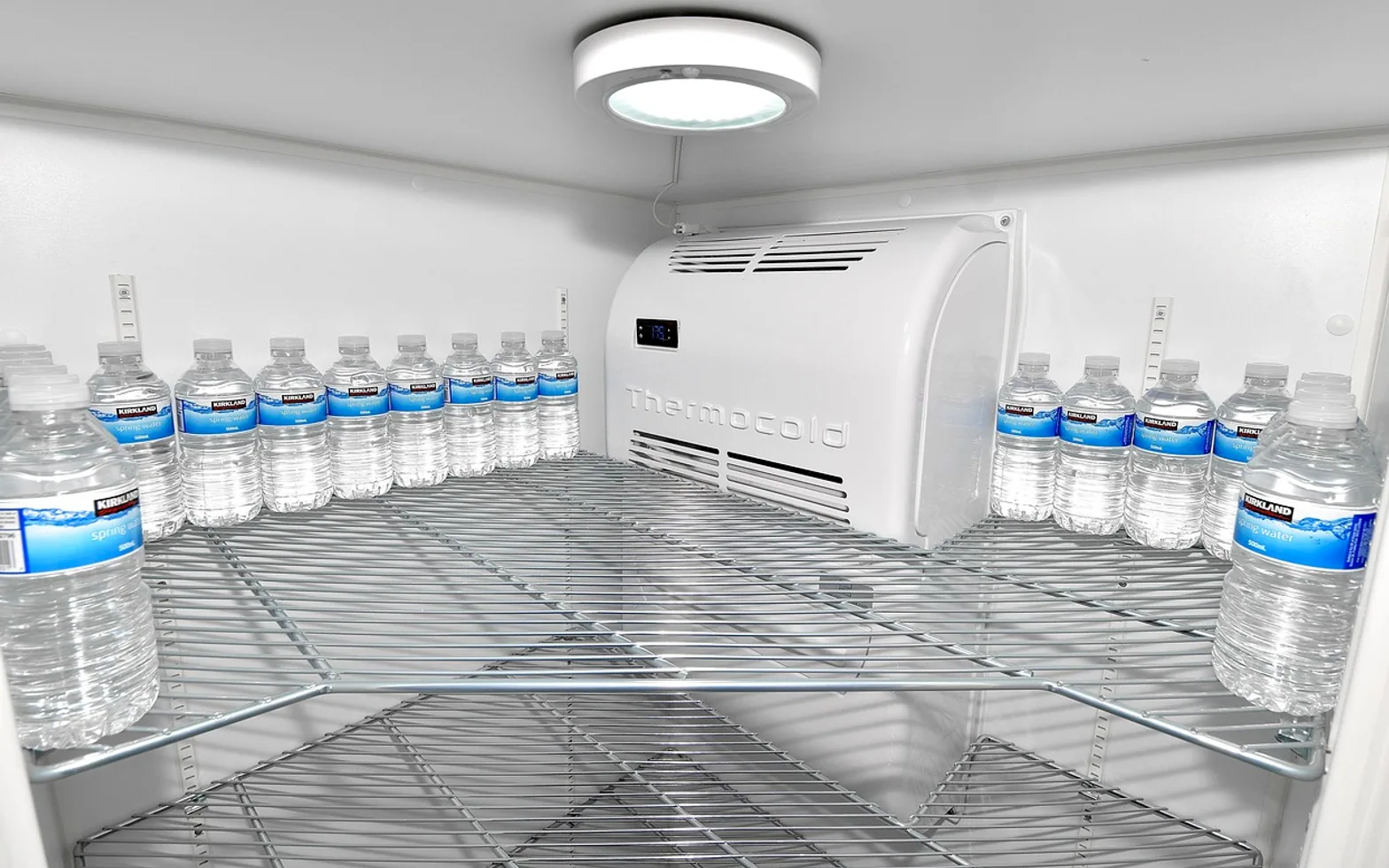
Start with one rule and most of the rest follows: ready-to-eat food goes high, raw meat and fish go low, and anything you need to use up soon sits at eye level where you cannot miss it. A fridge is not the same temperature all the way through, and the door is the part that warms up most each time it opens. Organising by zone uses those small differences instead of fighting them.
Check the temperature first
Food safety guidance in the US generally recommends keeping a fridge at 40°F (4°C) or below. The dial inside many fridges shows a number from one to five rather than a temperature, so a cheap fridge thermometer on the middle shelf is the easiest way to know what is really going on. Check it after the fridge has been closed for a while, not straight after a big shop.
Zone by zone
| Zone | What goes there | Why |
|---|---|---|
| Top shelf | Leftovers, cooked food, dips, prepared breakfasts, drinks | Food that needs no further cooking stays above anything raw |
| Middle shelves | Dairy such as milk, yoghurt and cheese; eggs in their box | A steadier temperature than the door |
| Bottom shelf | Raw meat, poultry and fish, in a lidded box or on a tray | Usually the coldest shelf, and drips cannot fall onto other food |
| Crisper drawers | Vegetables in one, fruit in the other | Holds humidity and keeps produce from drying out |
| Door | Condiments, jams, pickles, butter, juice | Warmest spot, fine for foods that keep well |
Why milk does not belong in the door
It is the spot most fridges are designed for, with a tall shelf that fits a bottle perfectly. Yet the door swings out into warm kitchen air dozens of times a day. Milk and eggs tend to keep better on a shelf inside, with sauces and jars taking the door instead.
Using the crisper drawers properly
Many fridges have a small slider on each drawer. Closed, it keeps the air moist, which suits leafy greens, herbs, cucumbers and other vegetables that wilt. Open, it lets some humidity escape, which suits fruit such as apples and pears. Those fruits also give off a gas that speeds up ripening in other produce, so keeping them in their own drawer helps leafy things last longer.
Wash berries just before eating rather than before storing; extra moisture in the punnet tends to bring on mould sooner.
What can stay out of the fridge
Some foods keep better, or taste better, at room temperature:
- Tomatoes lose some flavour and turn mealy in the cold, at least until they are fully ripe.
- Bread goes stale faster in the fridge. Keep it in a bread bin or freeze slices.
- Potatoes, onions and garlic prefer a cool, dark, airy cupboard.
- Bananas ripen in the fruit bowl; their skins blacken in the fridge.
- Whole melons and avocados can ripen on the counter, then move to the fridge once cut or ready.
Habits that keep it tidy
- First in, first out. When you unpack the shopping, slide older items forward and put new ones behind them.
- Clear containers. You use what you can see. Glass or clear plastic boxes stop leftovers becoming mystery tubs.
- Label and date. A strip of masking tape and a marker on every leftover tells you at a glance what needs eating first.
- An "eat me first" box. One small tray on the top shelf for half an onion, an open tin of beans or the last of the yoghurt.
- Leave some breathing room. Cold air needs to circulate. A crammed fridge cools unevenly and works harder.
- Cool hot food quickly. Let it stop steaming, divide big batches into shallow containers and get them into the fridge promptly rather than leaving them out for hours.
A ten-minute weekly reset
The night before a food shop is the natural moment. Take out anything past its best, wipe sticky shelves with warm soapy water, move items that need using to the front and make a quick note of what is already there. You will buy less of what you already have, and the new shopping slots straight into its proper zone.
A deeper clean, a few times a year
Empty the fridge one shelf at a time into a cool bag, pull out the drawers and shelves that are removable and wash them in warm soapy water. Let glass shelves come up to room temperature before they meet hot water, as a sudden change can crack them. Wipe the seals on the door, where crumbs collect, and dry everything before putting food back.
Common mistakes
- Putting raw meat on a high shelf "just for today".
- Storing opened tins in the fridge in the tin itself; moving the food into a lidded container is the usual advice.
- Pushing a big pot of still-hot stew straight to the back, which warms everything around it.
- Overfilling the door so it does not seal properly.
Putting it to work
An organised fridge makes batch cooking far easier. Jars of overnight oats line up on the top shelf ready for the morning, and a pot of bone broth can be cooled and portioned into labelled containers. Lunches assemble faster, too; our packed lunch ideas for work lean on exactly this kind of ready-to-grab shelf. After a big holiday meal, the guide to how long Thanksgiving leftovers are good for covers how many days each dish can stay.
From our desk
Why we keep our promises small
It is tempting to tell readers that one recipe or one routine will change everything. We would rather give you a method that works on a damp Wednesday and leave the big claims to someone else.
When a question needs a person who can actually look at you, we will say so every time.
Ida, Casper and Maren
Good to keep in mind
How we treat information
A few principles that shape every guide before it is published.
Official food-safety and public health guidance comes before anything we read on a forum or a sales page.
When advice differs between countries or experts, we say so instead of picking a side and calling it settled.
Product instructions and the advice of your own dentist or doctor always outrank a general article, including ours.
We leave out figures we cannot stand behind, which is why our guides rarely quote percentages or nutrient amounts.